Plantain, often mistaken for a weed, holds numerous benefits that many overlook.

Let’s delve into its advantages and how to harness its healing properties:
Identifying Plantain:
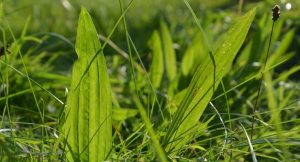
- Scientific Names: Plantago lanceolata (broadleaf plantain) and Plantago major (common plantain).
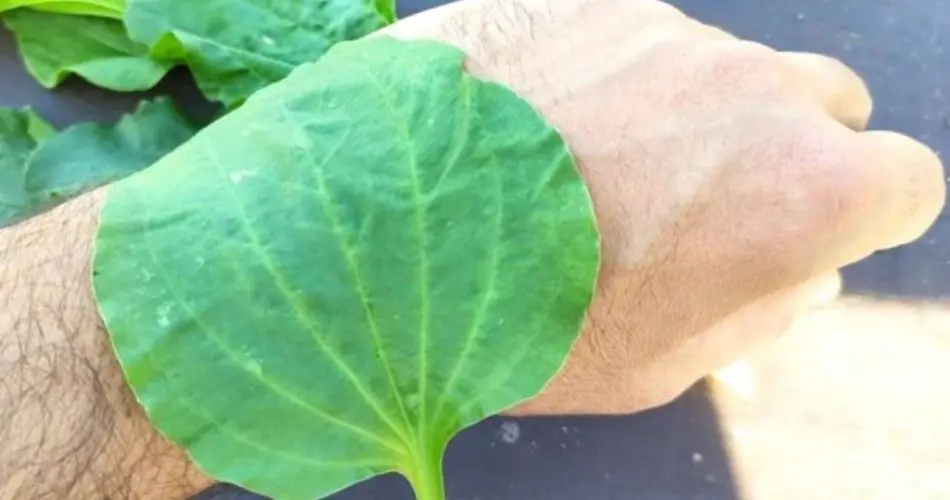
- Characteristics: Broad leaves for female plantain and narrow leaves for male. Pronounced leaf nerve and elongated inflorescences. Typically found in simple lawns and along roads, growing in clusters.
Healing Properties:
- Wound Healing: Plantain leaves can be applied directly to wounds, burns, scrapes, and dermatitis. The presence of allantoin aids in tissue regeneration, while aucubin acts as an antimicrobial agent.
- Respiratory Health: Plantain can alleviate respiratory issues by addressing secretions and inflammation in mucous membranes and throat irritation. Plantain syrup and tea are common remedies for respiratory ailments.
- Digestive Health: It can help alleviate stomach pain, ulcers, hemorrhoids, and bladder infections.
- Nutritional Content: Rich in vitamins A, C, and K, along with minerals such as calcium and potassium.
How to Use Plantain:
- Infusion: Cut and wash plantain leaves, then soak them in hot water for at least 30 minutes. Strain and drink the infusion after meals.
- Salad: In season (March to June), plantain leaves can be used in salads for a nutritious addition to your diet.
- Cooking and Juicing: Leaves can be cooked or juiced for consumption.
Precautions:
- Consult a healthcare professional before using plantain, especially if you have existing medical conditions or are pregnant or nursing.
By recognizing the benefits of plantain and learning how to incorporate it into your wellness routine, you can take advantage of its healing properties and enhance your overall health and well-being.