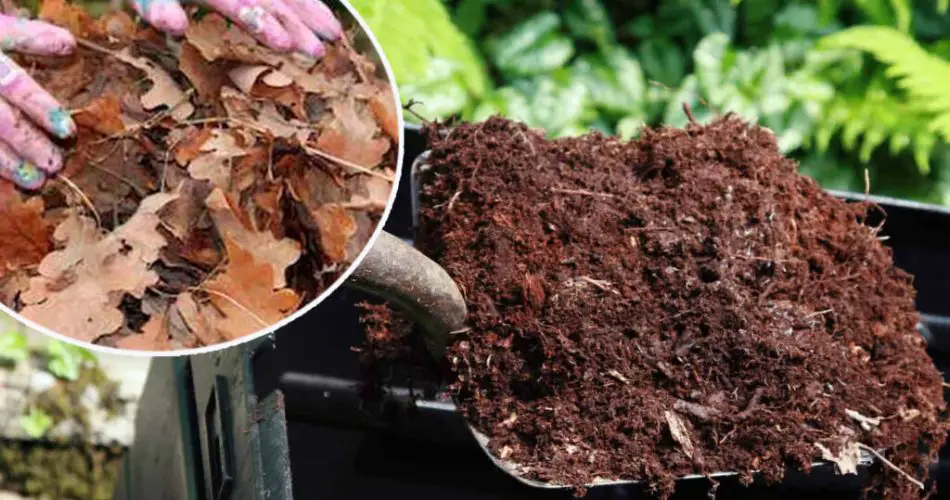
In autumn, fallen leaves can be turned into a valuable fertilizer that will benefit your garden soil in the spring. This natural fertilizer is widely used by experienced gardeners and is simple to make.
1. Collect Fallen Leaves
By the end of autumn, the ground is often covered with a plentiful layer of leaves. These leaves can be collected and repurposed as fertilizer for your garden.
2. Add a Secret Ingredient
To make your leaf compost even more effective, add a secret ingredient to the pile. First, gather the leaves and place them in bags. You can also include tops from vegetables and weeds (as long as they are not diseased). Ensure that the leaves do not show any signs of disease.
3. Add Urea to the Leaves
For a 200-liter bag of leaves, mix in four tablespoons of urea (or ammonium nitrate). This will help to speed up the rotting process. Then, pour water into the bag to create the right moisture level for decomposition.
4. Leave Bags Outside
Once the bags are filled and watered, tie them securely and leave them outside. Over the winter, the leaves will break down and form a rich, nutrient-dense compost.
By spring, your homemade fertilizer will be ready to be added to the garden soil, enriching it for the new growing season. This simple method turns fallen leaves into an effective and eco-friendly fertilizer that will improve the health and fertility of your garden.