Step-by-step Instructions for Keeping Your Grapevines Safe from Frost
Autumn is a time of preparation as gardens transition into the winter months. One of the most important tasks for grape growers is sheltering grapevines properly to ensure their survival during freezing temperatures. Proper winter protection can prevent frost damage and set the stage for a productive spring harvest.
When Should You Start Sheltering Your Grapes?
Timing is key for effective protection. The best time to begin sheltering grapes is during the first half of October, when nighttime temperatures consistently drop to +5°C (41°F).
- Why Timing Matters: Delaying shelter can lead to the freezing of your grapevines, potentially causing irreversible damage.
Preparing Grapes for Winter Shelter
Before you begin the actual sheltering process, take the time to prepare your grapevines:
- Remove Leaves:
Carefully remove all leaves from the grapevine to prevent rotting during the winter months. - Prune Properly:
Eliminate diseased, damaged, and weak shoots, leaving just 3-4 healthy fruit-bearing branches for optimal growth. - Conduct Pest and Disease Control:
Inspect the grapevines for signs of diseases and pests and treat them accordingly to ensure the plants are healthy before the cold sets in.
Choose the Right Shelter Materials
Selecting the appropriate shelter materials will ensure your grapevines are well-protected. Options include:
- Non-woven Materials:
Special covering materials that are breathable, allowing air and moisture through while effectively insulating against the cold. - Natural Options:
Dry leaves, straw, spruce branches, and other organic materials are excellent for retaining heat and adding natural insulation. - Wooden Options:
Wooden boxes or boards can provide additional protection against severe frosts.
How to Properly Shelter Your Grapevines
Follow these steps to ensure proper coverage and protection:
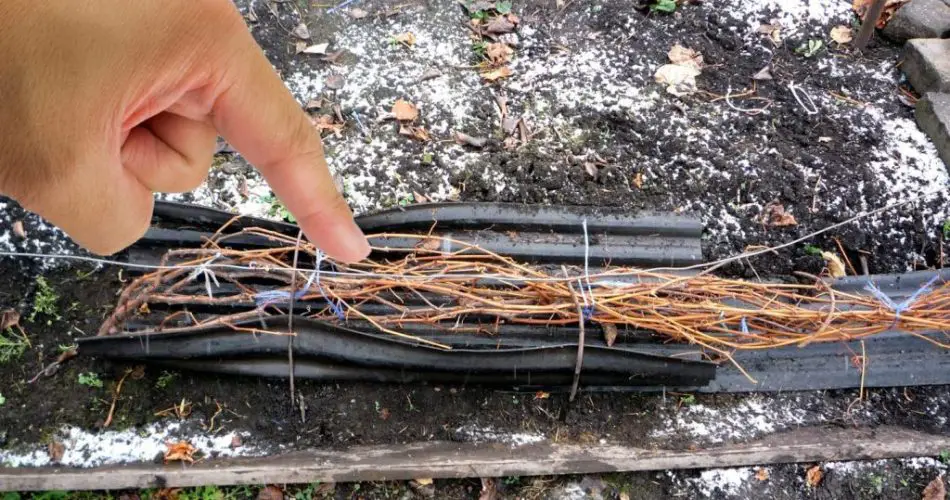
- Bend the Vine to the Ground:
Gently bend the vine down toward the ground and secure it using staples, rocks, or other heavy objects to prevent it from snapping under pressure. - Spread the Covering Material:
Cover the bent vine completely, ensuring tight and uniform coverage on all sides. - Secure the Edges:
Prevent wind from dislodging the shelter by anchoring its edges with rocks, earth, or other heavy items. - Allow for Ventilation:
Leave small holes or gaps to ensure air circulation and prevent the growth of mold under the shelter.
Special Considerations for Different Regions
Sheltering grapes can vary depending on the climate:
- Southern Regions with Mild Winters:
Grapevines might not need extensive protection unless severe frosts are forecasted. In these cases, additional measures are advised.
Why Is Grape Shelter Important?
Properly covering your grapevines offers several key benefits:
- Protects Against Freezing Temperatures: Prevents cold damage and sudden temperature fluctuations.
- Reduces Rodent Damage: Keeps pests from accessing vulnerable parts of the vine.
- Preserves Soil Moisture: Ensures that the soil maintains hydration during dry, cold periods.
- Supports Overwintering Success: Creates ideal conditions for your grapevines to survive the winter and thrive in the spring.
Final Tips for Success
Sheltering your grapevines is an essential step for a healthy winter and bountiful harvest come spring. While these steps provide a great starting point, every vineyard is unique. If you’re unsure about how to approach sheltering or have specific environmental concerns, consult with experienced local winegrowers to tailor a plan for your vineyard.
With careful preparation and attention, your grapevines will weather the cold season and reward you with a successful growing season ahead! 🍇❄️