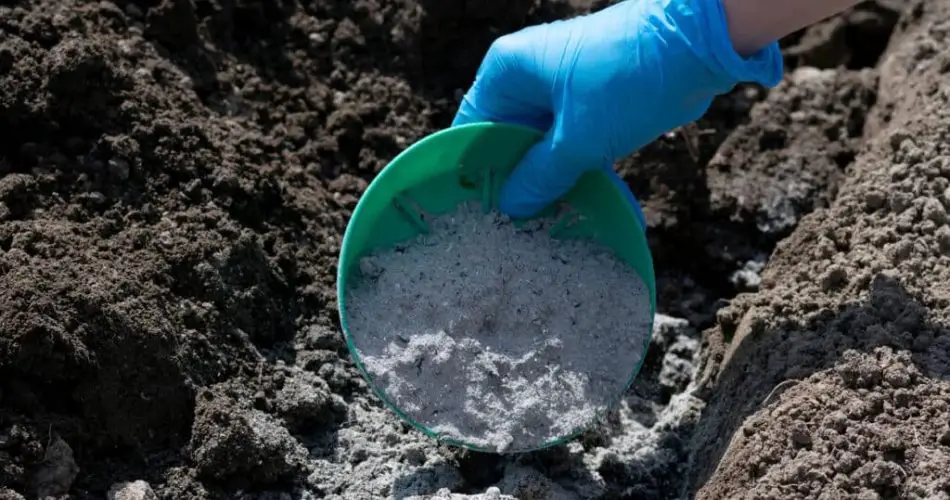
Ash is more than a mere byproduct of combustion—it’s a potent fertilizer that can dramatically enhance your garden’s health. Packed with essential trace elements and alkaline compounds, ash serves as a valuable aid in plant care.
However, not all plants respond favorably to ash. Improper use can lead to detrimental effects rather than benefits.
The Benefits of Ash in Gardening
- Improves Soil Structure: Ash loosens soil, enhancing its aeration and water permeability. This facilitates better access to oxygen and water for roots, promoting overall plant development.
- Enhances Soil Fertility: Rich in potassium, phosphorus, calcium, magnesium, and other vital nutrients, ash enriches soil content, stimulating plant growth and flowering.
- Neutralizes Acidic Soil: Ash’s alkaline nature makes it effective for neutralizing acidic soil conditions. This is beneficial for plants that thrive in neutral to slightly alkaline environments.
- Fosters Beneficial Microflora: Ash encourages the growth of beneficial microorganisms in soil, improving its structure and fertility over time.
Plants Unsuitable for Ash Application
Given its alkaline properties, ash should not be used for plants that prefer acidic soils:
- Rhododendrons and Azaleas: These plants require acidic soil for healthy growth. Ash can elevate soil pH, leading to chlorosis—yellowing of leaves.
- Hydrangeas: The color of hydrangea flowers is influenced by soil acidity. Ash can alter soil pH, affecting flower coloration.
- Conifers: Most conifers thrive in acidic soil. Ash application can disrupt nutrient balance and hinder growth.
- Heather Family Plants: Heather, lingonberry, blueberry, and similar plants necessitate acidic soil for optimal development. Ash can be fatal to these species.
Proper Usage of Ash
To maximize benefits and minimize risks, adhere to these guidelines:
- Test Soil Acidity: Before applying ash, determine the soil’s pH level. If acidic, use ash sparingly, blended with peat or compost.
- Apply in Autumn: Fall is ideal for ash application. During winter, it decomposes, enriching soil with essential nutrients.
- Avoid Fresh Ash: Fresh ash contains high alkaline levels that may harm plant roots. Allow ash to mature for several months before use.
Conclusion
Ash is a valuable fertilizer that, when applied correctly, can significantly enhance plant health and growth. Yet, it’s crucial to understand each plant’s specific needs and refrain from using ash where acidic soil conditions are preferred.
By following these simple principles, you can harness ash as an eco-friendly and effective fertilizer, cultivating robust and vibrant plants in your garden.