Strawberries are a delightful addition to any garden, offering sweet rewards in the summer. Planting them correctly in early spring can set you up for a fruitful harvest within the same year. Here’s a guide to ensure your strawberries thrive and produce abundantly.
When to Plant Strawberries
While autumn is typically the ideal time for planting strawberries, you can still plant them in early spring (April-May) if you missed the fall window. Ensure you plant before the start of active growth to give your plants a good head start.
Choosing and Preparing Your Plants
- Seedlings: Buy strawberry seedlings from reputable sources. Opt for plants with healthy, non-dry roots.
- Location: Choose a sunny spot with protection from strong winds. Strawberries need plenty of sunlight to produce a good crop.
- Soil: Use well-drained, nutrient-rich soil with a high humus content. Avoid heavy, wet soils that can lead to root rot. Carrots, for example, are excellent predecessors, indicating suitable soil conditions.
Planting Procedure
- Soil Preparation: Enrich the soil with compost or well-rotted manure to boost fertility and drainage.
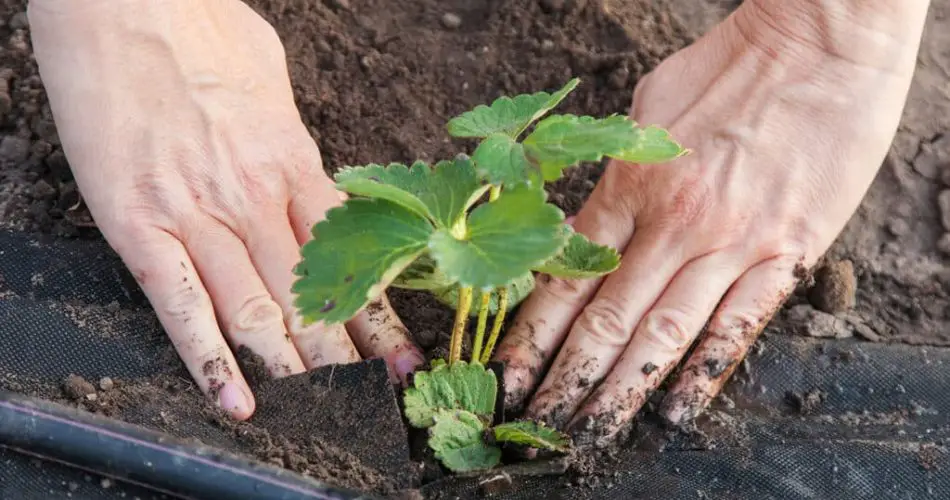
- Spacing: Plant strawberries about 30-45 cm (12-18 inches) apart in rows, with the rows spaced about 75 cm (30 inches) apart. Ensure the crown of the plant (where the roots meet the stem) is level with the soil surface.
- Planting Depth: Avoid planting too deep or too shallow. The crown should be at soil level to prevent rot and ensure healthy growth.
- Watering: Water the plants thoroughly after planting and keep the soil consistently moist but not waterlogged.
Choosing Companions
Planting strawberries with the right companions can enhance their growth. Ideal neighbor plants include:
- Parsley
- Cumin
- Sage
- Mint
- Green onions
- Garlic
These plants can help deter pests and boost the health of your strawberries.
Care and Maintenance
- Mulching: Apply mulch around the plants to retain moisture, suppress weeds, and keep the fruit clean.
- Fertilization: Use a balanced fertilizer to promote healthy growth. Avoid excessive nitrogen, which can lead to lush foliage at the expense of fruit production.
- Pest and Disease Management: Regularly inspect your plants for pests and diseases, and take appropriate measures to address any issues promptly.
By following these guidelines, you can successfully plant strawberries in early spring and enjoy a fresh, homegrown harvest within the same year. Proper preparation and care are key to ensuring a bountiful and delicious crop.