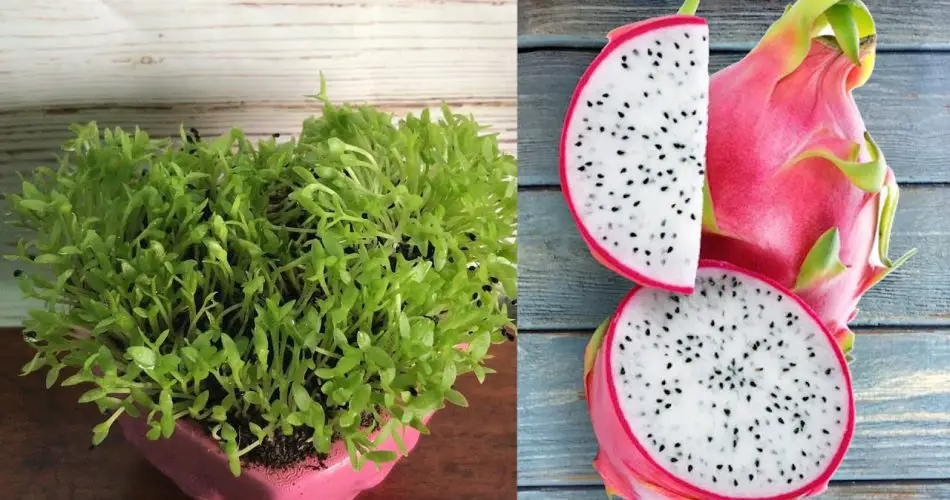
Are you fascinated by exotic fruits? If so, you might want to try growing your very own dragon fruit! This tropical delight, also known as pitaya, is not only delicious but also visually stunning with its vibrant colors and unique shape. And the best part? You can start growing it from seeds right in your own backyard!
Let’s dive into the steps you need to take to cultivate these magnificent fruits.
Choosing the Seeds: Begin your dragon fruit journey by selecting high-quality seeds. You can either buy them from a reputable supplier or extract them from a ripe dragon fruit. Look for seeds that are plump, firm, and free from any signs of damage or mold.
Preparation: Before planting, it’s crucial to prepare the seeds properly. Rinse them thoroughly under running water to remove any flesh or residue from the fruit. Then, allow them to air dry on a paper towel for a day or two. This helps prevent mold formation during germination.
Planting: Dragon fruit seeds require a well-draining soil mix for optimal growth. Fill small pots or seed trays with a combination of potting soil and perlite or sand to ensure good drainage. Plant the seeds about half an inch deep in the soil and lightly cover them.
Watering: Keep the soil consistently moist but not waterlogged. A spray bottle can be handy for watering young seedlings as it prevents overwatering. Be sure to water the soil gently to avoid displacing the seeds.
Light and Temperature: Dragon fruit seeds thrive in warm, sunny conditions. Place the pots in a bright location with indirect sunlight, such as a windowsill. Aim for temperatures around 70-90°F (21-32°C) for optimal germination.
Patience and Care: Germination can take anywhere from a few days to several weeks, so be patient. Once the seedlings emerge, continue to provide them with ample light and water. As they grow, you may need to transplant them into larger pots to accommodate their roots.
Support: Dragon fruit plants are climbers, so they’ll need something to latch onto as they grow. You can provide them with a trellis, stake, or even a sturdy wall to support their sprawling vines.
Pollination: If you’re growing dragon fruit indoors, you may need to hand-pollinate the flowers to ensure fruit set. Simply use a small paintbrush or cotton swab to transfer pollen from one flower to another.
Harvesting: With proper care, your dragon fruit plant should start producing flowers within a year or two. Once the flowers are pollinated, they’ll develop into fruits that can be harvested when fully ripe. Simply twist the fruit gently from the stem when it’s ready to eat.
Conclusion: Growing dragon fruit from seeds can be a rewarding experience, allowing you to enjoy the beauty and flavor of this exotic fruit right from your own garden. By following these simple steps, you’ll be well on your way to cultivating your very own dragon fruit oasis!