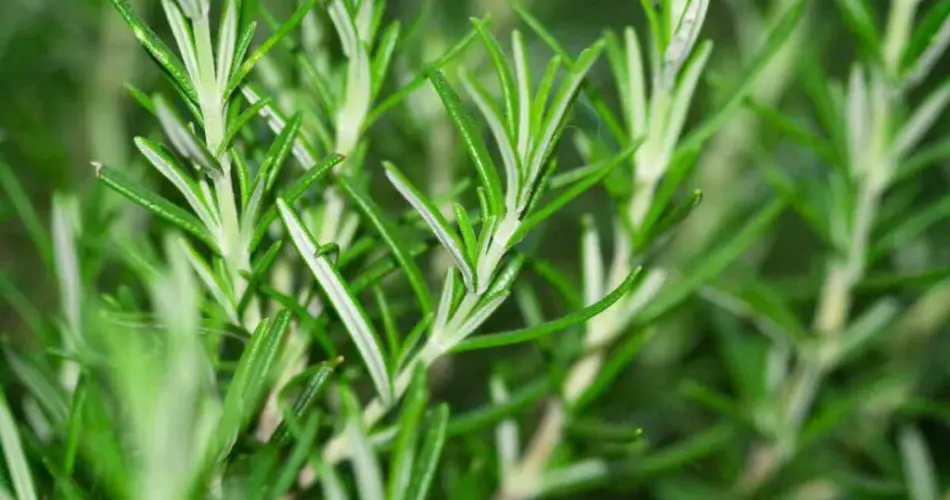
This summer’s extreme heat waves have left many of us struggling to cope, and our plants have felt the impact too. If your once-lush and fragrant rosemary now looks dry and burned, don’t worry—you might still have time to save it. Follow this step-by-step guide to revive your rosemary and ensure it thrives despite the heat.
The Impact of Extreme Heat on Rosemary
This summer has been one of the hottest on record, with temperatures soaring and heatwaves breaking records globally. These relentless conditions haven’t just affected us—they’ve taken a toll on vegetation, especially delicate plants like rosemary.
If your rosemary has started to show signs of stress, such as dry, brittle leaves and a lackluster appearance, it’s likely the heat has pushed it to its limits. But with a little care and attention, you can bring it back to life.
Identifying the Signs of Heat Stress
If your rosemary plant has gone from lush green to dry and burned, don’t lose hope just yet. The key is acting quickly. Here are the common signs that your rosemary is suffering from heat stress:
- Dry, curled leaves
- Brittle or brown branches
- Soil that dries out too quickly or appears cracked
Once you notice these signs, it’s time to take action.
Step 1: Prune the Damaged Parts
The first step to saving your rosemary is pruning. Use sterilized shears to carefully remove the damaged and dry parts of the plant.
- Trim away dry leaves and branches, focusing on the areas that look the most burnt.
- This will encourage the plant to focus its energy on producing new, healthy growth.
Step 2: Repot with Nutrient-Rich Soil
If the soil seems dry and depleted, repot your rosemary in fresh, nutrient-rich soil.
- Choose a softer, well-draining soil that retains moisture while preventing root rot.
- A fresh start with new soil can help your rosemary recover and regain its strength.
Step 3: Find the Right Spot
Rosemary thrives in balanced conditions—too much heat or direct sunlight can harm it.
- Relocate your plant to a shaded area during extreme heatwaves to protect it from direct sunlight.
- Ensure it receives plenty of air circulation and just enough indirect light to support growth.
Step 4: Monitor Humidity and Watering
Maintaining the right humidity level is critical for rosemary’s survival.
- Avoid overwatering, as rosemary doesn’t like standing water, but don’t let the soil become too dry either.
- Check the soil regularly—if it feels dry about an inch below the surface, it’s time to water.
Preventing Future Heat Damage
Prevention is key to protecting your rosemary during future heatwaves:
- Monitor soil health: Keep an eye on the moisture levels and ensure the soil is rich in nutrients.
- Prune regularly: Even when the plant looks healthy, occasional pruning helps promote growth and resilience.
- Adapt to the weather: Move your plant to a more suitable location during extreme weather conditions.
A Second Chance for Your Rosemary
With these simple yet effective steps, your rosemary plant may have a chance to bounce back. Heat stress can be tough on plants, but with careful pruning, repotting, and monitoring, your rosemary will be lush, green, and fragrant once again.
Take action now, and don’t let the heatwave claim another victim from your garden!