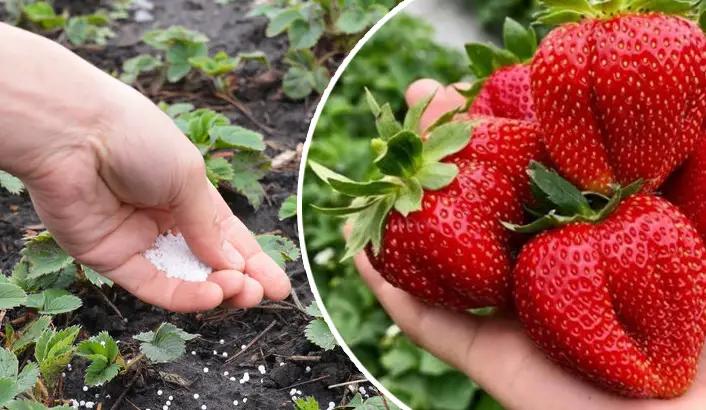
After a long winter, all plants need additional feeding. Correct and timely fertilization of strawberries will promote normal plant development and lead to an abundant harvest. Here are some essential secrets for spring feeding to help increase berry yield.
Soil Type
To choose the right fertilizer, determine the pH level and nutrient content in the soil using a special soil test.
The Right Fertilizer
It’s best to use a balanced fertilizer containing equal parts of nitrogen, phosphorus, and potassium. Nitrogen promotes healthy leaf growth, phosphorus enhances the root system, and potassium strengthens the plant, boosting its resistance to diseases and stresses.
Replenishment Timing
Spring fertilization should be carried out in early March—specifically during the first ten days—when plants most need complex fertilizers.
Avoiding Excess Fertilizer
Using too much fertilizer can harm the plants, causing yellowing and slowing growth. Always follow the recommended application rates on the fertilizer label and avoid applying fertilizers directly to the leaves.
Organic Fertilizers
You can feed strawberries with well-rotted compost, manure, or blood meal. These organic options release nutrients slowly and steadily, benefiting your plants.
Mulching
Applying mulch around strawberry bushes is essential to retain moisture and nutrients in the soil while protecting against weeds.
Regular Inspection
Regularly inspect your strawberries for signs of stress or diseases, such as yellowing leaves or stunted growth. If you notice any issues, take immediate action to address them.
By following these tips, you’ll ensure a thriving strawberry patch and a plentiful harvest!