Growing fennel through transplanting can be a successful method for ensuring healthy and flavorful plants.

Here’s the recommended approach:
1. Soil Preparation: Choose a location in your garden with well-drained soil that is rich in organic matter and free of debris or rocks. Fennel thrives in full sunlight, so select a spot that receives ample sunlight throughout the day.
2. Transplanting Process:
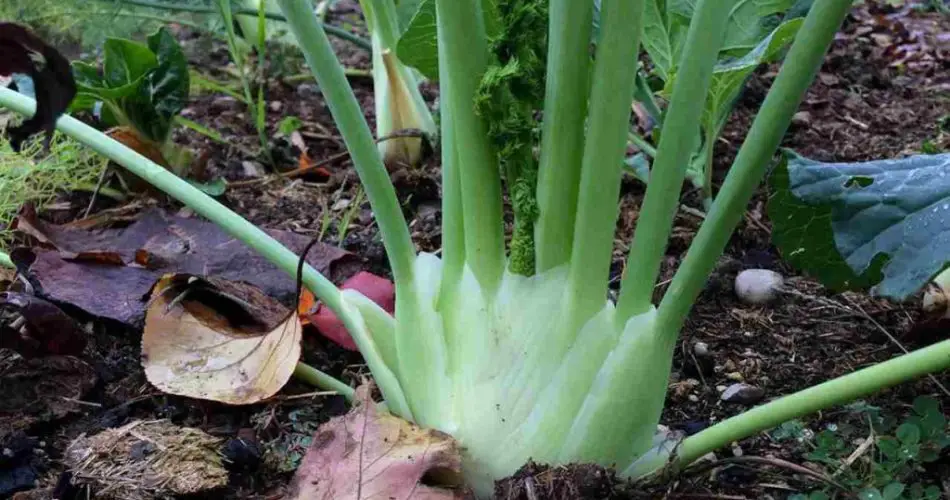
- Dig a shallow row in the soil using a garden trowel. The row should not be too deep, just enough to accommodate the fennel roots.
- Carefully transplant the fennel seedlings into the prepared row. Ensure that the small leaves at the ends of the roots are left free and not buried.
- Space the fennel plants at least 20 centimeters apart to allow ample room for growth.
- After transplanting, water the fennel plants gently, taking care not to wet the leaves excessively. Watering in the morning is ideal, and ensure that the soil remains consistently moist but not waterlogged.
3. Care and Maintenance:
- Monitor the soil moisture levels regularly and water the fennel plants as needed to keep the soil moist but not soggy.
- Avoid overhead watering to prevent water from collecting on the leaves, which can lead to fungal diseases.
- Fertilize the fennel plants periodically with a balanced fertilizer to promote healthy growth.
- As the fennel plants grow, keep the area around them free from weeds to prevent competition for nutrients and water.
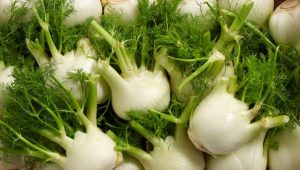
4. Harvesting: Within a few weeks, the fennel plants will grow significantly in size and be ready for harvest. You can harvest the fennel bulbs when they reach the desired size, typically around 3-4 months after transplanting. Enjoy your freshly grown fennel in salads, side dishes, or cooked recipes for a delicious addition to your meals!