Proper pruning is one of the most important steps in ensuring a healthy grape harvest. While experienced gardeners understand its significance, it’s crucial to know how and when to prune to avoid harming the vines. In this article, we’ll share key tips and techniques for pruning your grapevines before winter, ensuring they thrive in the spring.
Why Pruning Grapes Before Winter is Crucial
Pruning is essential for controlling the growth and shape of the grapevine, as well as encouraging the development of healthy buds for the next growing season. Autumn pruning prepares the vines for the colder months and can prevent diseases and pests from taking hold. It’s also important for reducing excess growth, which can weaken the plant.
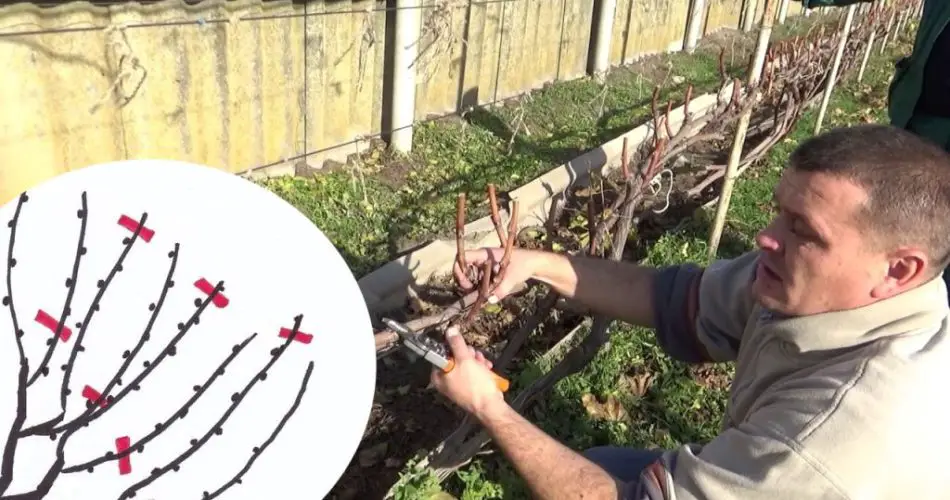
After pruning a mature vine or its canes, you may notice small sedge or dry parts of the vine. These should be cut away, leaving only healthy, strong growth behind. This encourages the vine to direct energy into the remaining wood, promoting better spring growth.
When to Prune Grapes Before Winter
The ideal time to prune grapes is in the fall, after the leaves have completely fallen off the vine. Pruning during this time gives the plant enough time to heal before the cold winter months set in. Here are the best conditions for pruning:
- After leaf drop: Wait until the leaves have completely fallen, signaling that the vine is entering dormancy.
- Dry weather: Choose a dry day for pruning to reduce the risk of introducing moisture-related diseases.
- Temperature: Ensure the temperature is no lower than +5°C. Pruning in temperatures that are too cold can stress the plant.
The Benefits of Autumn Pruning
Pruning in the fall not only prepares the vines for the winter but also sets the stage for a healthy crop in the spring. By removing excess growth and focusing on the strongest branches, you ensure that the grapevine can put its energy into producing high-quality fruit come the next growing season. Autumn pruning also helps to maintain the shape of the vine and prevents it from becoming overgrown and tangled.
Key Pruning Tips
- Remove dead or damaged wood: Cut away any parts of the vine that are dead or diseased to prevent them from infecting healthy sections.
- Trim excess growth: Focus on cutting back any overly long or weak canes that won’t produce fruit or are unlikely to survive the winter.
- Focus on the framework: Keep the main structure of the vine intact, pruning back to strong, healthy wood that will support new growth in spring.
Conclusion
By following these pruning guidelines, you can ensure your grapevines remain healthy, strong, and ready to produce a bountiful harvest in the next season. Remember that pruning is not just about cutting back the vines—it’s about preparing them for the challenges of winter and giving them the best start for the next growing season. Proper pruning in the fall is an investment in a vibrant, fruitful future for your grapevines.