As autumn settles in, it’s time for gardeners to focus on preparing their plants for the upcoming winter months. Roses, often considered the queens of flowers, require special attention during this season. Proper care and feeding in the fall will not only help them survive the cold but also ensure they bloom magnificently the following year. Here’s how you can properly prepare your roses for winter.
Why Fall Feeding is Crucial for Roses
Autumn feeding is a vital step in ensuring that roses thrive through the winter and flourish in the spring. During this period, roses accumulate nutrients that will strengthen their roots and help them endure the harsh winter conditions. Key nutrients, like phosphorus and potassium, make roses more cold-resistant, ensuring healthy growth and abundant blooms in the coming season.
Best Fertilizers for Fall Rose Care
- Mineral Fertilizers
For fall feeding, choose fertilizers with a high phosphorus and potassium content. These nutrients support root development and strengthen the plant’s ability to withstand frost. Avoid fertilizers high in nitrogen, as they stimulate green growth, which could be detrimental before winter. - Slow-Release Granular Fertilizers
Products like Osmocote release nutrients gradually over time, providing long-term support through the winter months. These fertilizers ensure that your roses receive the necessary nutrients steadily, without stimulating too much growth late in the season. - Folk Remedies
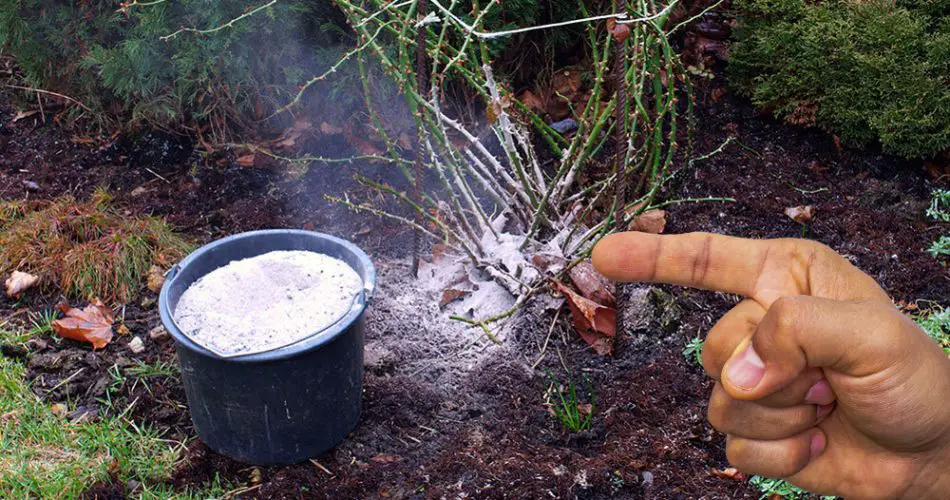
Some gardeners turn to yeast or wood ash, but these are best reserved for spring. They tend to encourage growth, which is not ideal for roses preparing for winter.
Steps to Prepare Roses for Winter
- Pruning
To help your roses survive the winter, prune weak or diseased shoots. Cut back the plants to about 25-30 cm from ground level. This encourages stronger, healthier growth in the spring. - Treatment for Pests and Diseases
Before winter sets in, spray your roses with a combination of insecticide and fungicide to protect them from pests and diseases that could damage the plant during dormancy. - Fertilizing
Apply phosphorus-potassium fertilizers or slow-release fertilizers under each bush to ensure the roses have the nutrients they need to make it through the winter months. - Mulching
Mulch the soil around the base of the roses with peat or compost. This will help protect the roots from freezing temperatures and retain moisture, preventing the plants from drying out during the winter.
When is the Best Time for Autumn Feeding?
The optimal time for feeding your roses is at the end of September or the beginning of October. Ensure that the air temperature is between 10-15°C (50-59°F). This range of temperatures allows the fertilizers to dissolve properly and be absorbed by the plant, preparing the roses for the upcoming cold season.
Conclusion
Properly preparing your roses for winter is essential to ensure they survive the cold and come back strong in the spring. By focusing on the right feeding, pruning, and protection methods, you’ll help your roses thrive and reward you with beautiful blooms in the next growing season. Keep in mind that the specific care your roses need may vary depending on their variety and your climate, so it’s always a good idea to consult with experienced gardeners in your area.