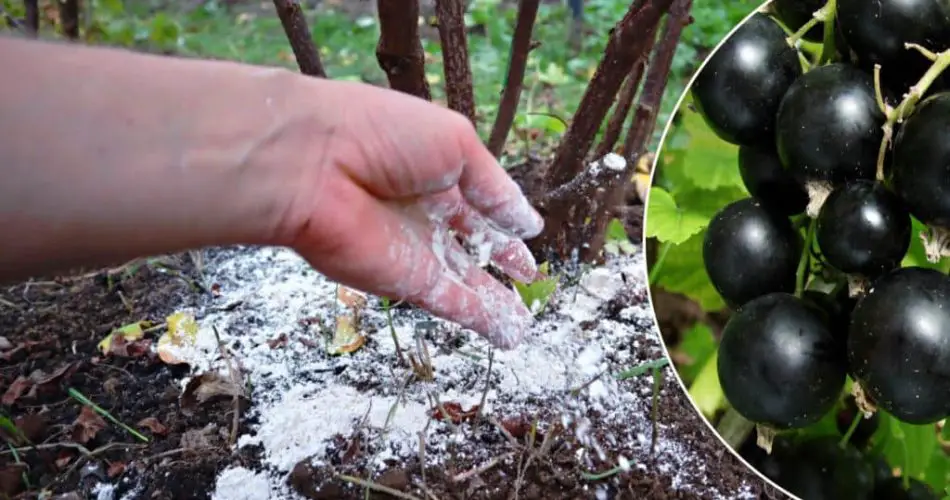
Spring is a crucial time for providing currant bushes with the nutrients they need to thrive. After winter, many essential nutrients have been depleted from the soil, making timely and effective feeding critical for a successful harvest. Here’s how to feed your currants effectively in the spring of 2024 and the best times to apply these methods.
When to Feed Currants
Start feeding currant bushes when the soil temperature reaches around 10°C (50°F). This temperature ensures that the roots can efficiently absorb the nutrients. Before applying fertilizers, loosen the soil around the bushes to enhance nutrient uptake.
Feeding Schedule:
- First Feeding (Late March to Early April):
- Objective: Provide a nitrogen-rich fertilizer to support early growth after winter. Nitrogen is crucial as plants often suffer from a deficiency during this period.
- Fertilizers to Use: Apply a mineral fertilizer such as nitroammophoska at a rate of 10 grams per bush. Alternatives include urea or ammonium nitrate, diluted in water.
- Second Feeding (Late April to Early May):
- Objective: Promote bud formation and prepare the plants for berry production.
- Fertilizers to Use: Use phosphorus-potassium fertilizers like potassium sulfate, diluted in water. These nutrients help with flower and fruit development.
- Third Feeding (After Berry Harvest):
- Objective: Support the plant’s recovery and prepare it for the next growing season.
- Fertilizers to Use: Apply organic fertilizers such as composted manure, humus, or wood ash, diluted in water. Organic matter improves soil structure and provides a steady release of nutrients.
General Tips for Feeding Currants:
- Pre-moistening: Ensure the bushes are well-watered before applying any fertilizers. This helps prevent root burn and ensures better nutrient absorption.
- Age of Bushes: Fertilize only currant bushes that are at least three years old. Younger bushes generally do not require additional feeding.
- Pest Control: While feeding, remember to monitor for pests and diseases. Treat currants against insects multiple times throughout the growing season to ensure plant health.
- Safety Precautions: When handling fertilizers, wear protective clothing, a mask, and gloves to avoid skin irritation and respiratory issues.
By following these feeding guidelines and schedules, you can enhance the health and productivity of your currant bushes, leading to a high-quality and abundant harvest in the upcoming season.