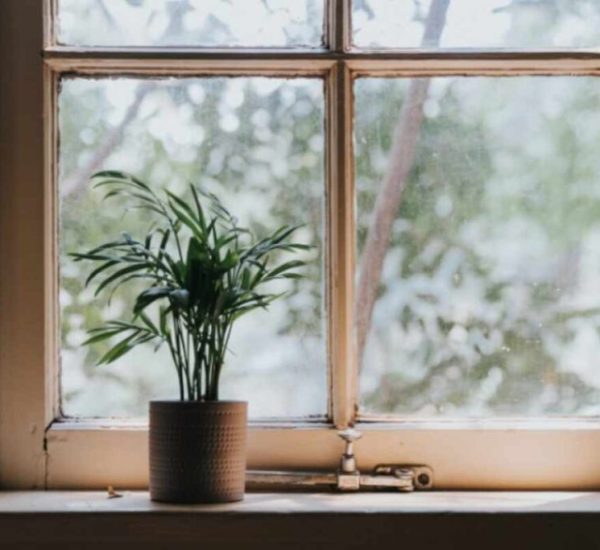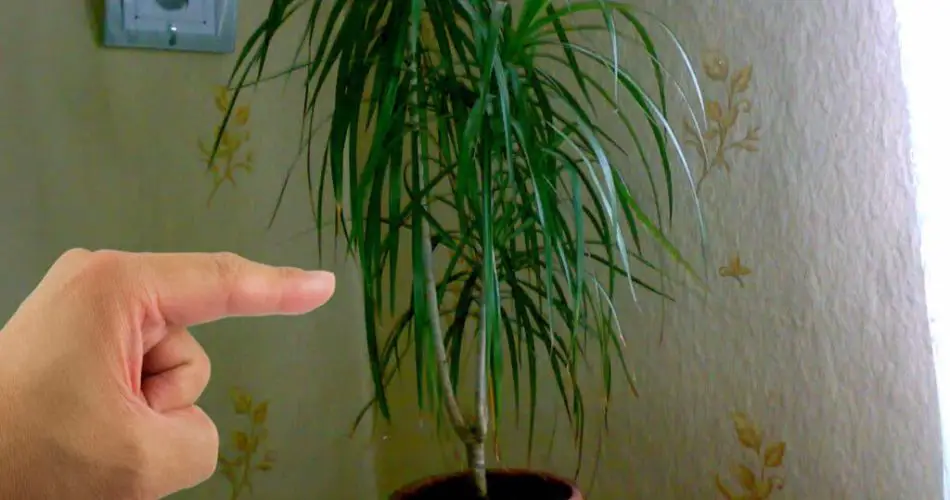
- Harmony in Relationships: Dracaena is said to promote harmony in family and personal relationships, easing tense moments and creating a peaceful home atmosphere.
- Material Prosperity: Many believe dracaena attracts wealth and success, symbolized by its lush leaves, making it ideal for those seeking financial improvement.
- Emotional Well-being: Regarded as a natural antidepressant, dracaena purportedly absorbs negative energies, bringing a sense of tranquility to those combating melancholy and apathy.
- Family Unity: The number of leaves on dracaena is believed to signify family status: 3 leaves for a strong family, 5 for wealth, 7 for health, and 21 for highest-level prosperity.
- Purification: Dracaena is thought to cleanse the home of negative energies, particularly after conflicts or illnesses.
- Family Amulet: Often given as a wedding gift, dracaena is considered a potent family talisman, enhancing spousal attraction when kept in the bedroom.
- Business Success: Blooming dracaena is seen as an auspice for financial and career success, from promotions to profitable ventures or inheritances.
- Toxicity: Its sap can cause skin irritation and upset stomachs in children and pets, necessitating careful placement out of reach.
- Allergies: Some individuals may be allergic to dracaena pollen.
- Lighting: Prefers bright, indirect light; direct sunlight may scorch its leaves.
- Watering: Requires moderate watering, allowing the soil to dry between watering sessions.
- Humidity: Benefits from regular leaf spraying to maintain moisture.
- Feeding: During active growth (spring-summer), feed with liquid fertilizers for leafy plants every 2-3 weeks.
- Transplanting: Re-pot every 2-3 years, preferably in spring.
Show Comments