To ensure your raspberries not only survive the winter but also produce a bountiful harvest next year, proper autumn care is essential. By following a few key steps, you can prepare your raspberry bushes for the cold months and set them up for a successful growing season. Here’s how to care for your raspberries in the fall to maximize their fruit production.
1. Pruning: Essential for Healthy Growth
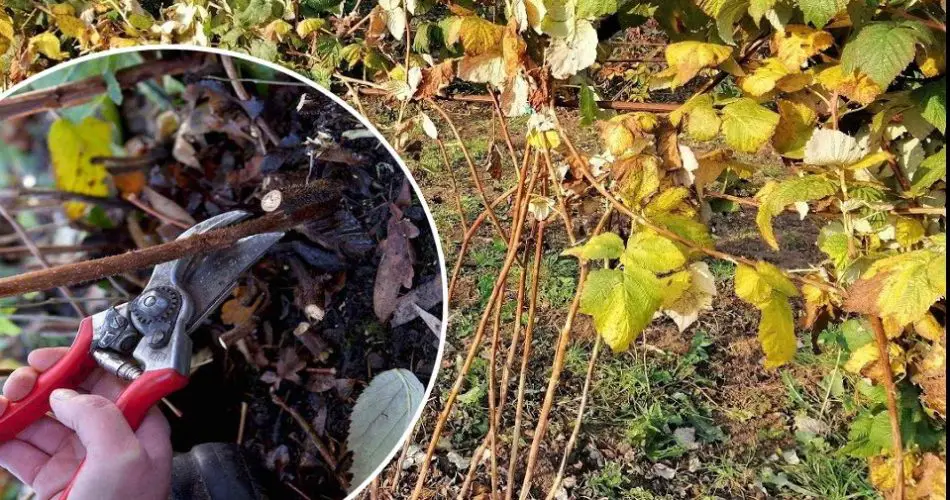
Pruning is a crucial step in autumn raspberry care. This process helps to:
- Remove Old and Diseased Shoots: Cut away any old or diseased canes that could harbor pests and diseases.
- Promote New Growth: Pruning encourages the development of new shoots and buds for the next season.
When to Prune:
- Perform pruning after the harvest when the leaves start to yellow and fall off.
- Cut back all fruiting canes to a height of 5-10 cm from the ground. Leave 5-7 young shoots on each bush, and shorten them to 1-1.5 meters to help them focus energy on producing strong new growth.
2. Feeding: Prepare Plants for Winter
Feeding your raspberries in the fall replenishes the soil’s nutrient reserves and prepares the plants for the winter. Here’s what you need to do:
- Feed After Pruning: Apply fertilizers when the soil is still unfrozen.
- Use Appropriate Fertilizers: Opt for organic or mineral fertilizers rich in phosphorus and potassium. These nutrients are crucial for root development and overall plant health. Limit the use of nitrogen fertilizers, as they encourage the growth of green shoots rather than improving flowering.
3. Sheltering: Protect from Frost and Rodents
To protect your raspberries from frost, snow, and rodents, proper sheltering is key:
- Timing: Cover the raspberry bushes before hard frosts set in, typically when temperatures drop below -5°C.
- Materials: Use straw, sawdust, or other insulating materials.
- Place a 10-15 cm layer of straw or sawdust around the base of the raspberry bushes.
- Gently roll the raspberry shoots along the row and secure them with staples or wire.
- Cover the shoots with materials like lapnik (fir branches) or spunbond to shield them from the elements.
Conclusion
By properly pruning, feeding, and sheltering your raspberries in the fall, you set the stage for a healthy and productive growing season. These steps help ensure that your raspberry bushes are well-prepared for winter and ready to deliver a rich harvest the following year. Implementing these autumn care techniques will support the longevity and abundance of your raspberry plants, allowing you to enjoy a fruitful crop in the seasons to come.