Autumn Tree Pruning: When, What, and How to Prune for a Bountiful Harvest
As autumn settles in, it’s time to prepare your garden for winter dormancy, and pruning plays a critical role in this process. While tree pruning requires some knowledge and skill, it’s essential for maintaining tree health, improving productivity, and ensuring the proper formation of a beautiful crown.
Why is Autumn Pruning Important?
Pruning your fruit trees in autumn offers several benefits:
- Improved Crown Aeration: Removing excess branches enhances airflow, improving photosynthesis and overall tree health.
- Better Sunlight Penetration: Thinning out dense areas of the crown allows more sunlight to reach each branch, promoting better fruit quality.
- Reduced Risk of Disease: Removing diseased and dead branches helps prevent the spread of infections and pests.
- Easier Tree Care: A properly shaped crown simplifies harvesting and ongoing maintenance.
Which Trees Should Be Pruned in Autumn?
Apple, pear, and plum trees are the best candidates for autumn pruning. These trees tolerate autumn pruning well, as it helps them withstand winter frosts, form more fruit buds, and ultimately yield a better harvest in the following season.
When to Prune Fruit Trees in Autumn?
The ideal time for autumn pruning is after the leaves have fallen, but before the first hard frost. This allows trees to heal before winter sets in. Typically, pruning should be done from October to November, depending on your local climate.
How to Properly Prune Apple, Pear, and Plum Trees?
- Remove Diseased and Dead Branches: These branches are a source of infection and can harm the overall health of the tree. Removing them is critical to prevent disease spread.
- Thin Out Overcrowded Branches: Prune branches that are growing inward or thickening the crown. These branches take away nutrients without producing fruit.
- Shorten Long Branches: Cutting back excessively long branches helps balance the crown and keeps the tree compact and well-shaped.
- Treat Large Cuts: If you make cuts larger than 2 cm in diameter, be sure to treat them with a garden antiseptic or wound sealant to prevent infections.
Important Tips for Autumn Pruning:
- Avoid Pruning Weak or Damaged Trees: Trees that are already stressed or suffering from disease should not be pruned in autumn.
- Limit Crown Removal: Never remove more than 1/3 of the crown in a single pruning session to avoid stressing the tree.
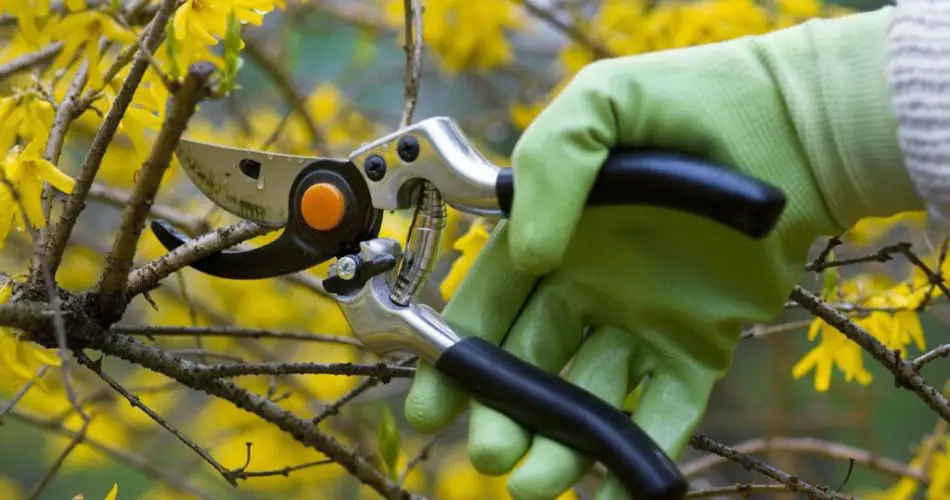
- Use Sharp and Clean Tools: Ensure your pruning tools are sharp and disinfected to make clean cuts and minimize the risk of infection.
- Dispose of Plant Debris Properly: After pruning, gather all plant debris and burn it or dispose of it to prevent the spread of pests and diseases.
Conclusion:
Autumn pruning is an essential part of garden care that significantly impacts the health and productivity of fruit trees. By following these simple guidelines, you’ll help your apple, pear, and plum trees thrive through the winter and enjoy a bountiful harvest in the next growing season. Happy pruning!