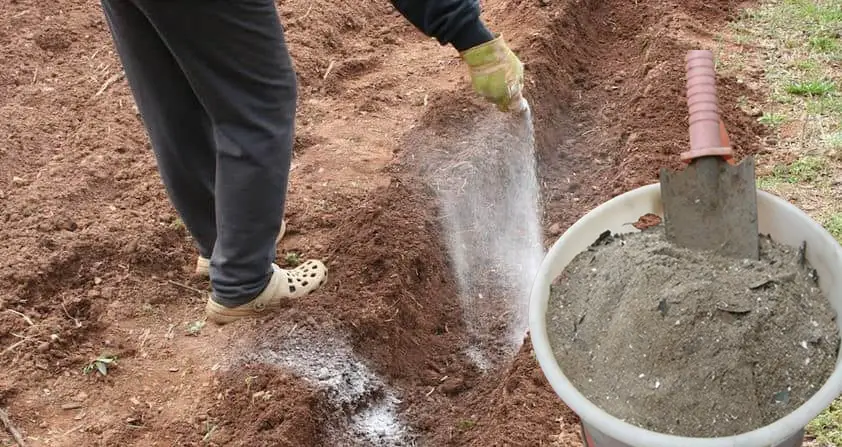
Ash is a valuable garden resource, but its effectiveness can be compromised by common mistakes in its application. To ensure that ash benefits your garden and does not harm your plants or soil, it’s important to understand and avoid these pitfalls.
Mistake #1: Misunderstanding the Ash Composition
The composition of ash varies based on the materials burned, which means its effectiveness as a fertilizer can differ. Here’s how to use ash properly:
- Know the Composition: Different plants require different nutrients. For instance, plants needing more potassium should receive ash rich in this element, while others may require more calcium. Incorrectly matching the ash composition to plant needs can lead to nutrient imbalances, impacting plant growth and health.
- Soil Reaction: Not all soils need the acidity adjustment that ash can provide. Applying ash to non-acidic soils might reduce nutrient availability, encourage weed growth, or increase disease risk. It’s essential to test soil pH and understand its nutrient needs before application.
- Solution: Study the ash composition and conduct a soil test before applying ash. This ensures you use the right type and amount of ash, maximizing its benefits and preventing potential harm.
Mistake #2: Underestimating the Required Amount of Ash
Different plants have varying tolerances to mineral salts. Here’s how to apply ash correctly:
- Adjust for Plant Type:
- Pepper: Tolerates low salt levels and needs careful ash application.
- Eggplant: Less picky but still sensitive to excessive salts.
- Tomatoes: More tolerant but sensitive to leaching.
- Cucumbers and Cabbage: Benefit from ash but require proper application rates, generally 100-200 g per m².
- Application Method: Applying ash as a solution can improve nutrient absorption by plants. Avoid mixing ash with phosphorus fertilizers to prevent the formation of insoluble calcium phosphate. Also, do not mix ash with ammonium-based nitrogen fertilizers, as this can cause nitrogen loss through ammonia evaporation.
- Fertilizer Compatibility: Be aware of incompatible fertilizer combinations. For example, do not mix manure or chicken droppings with ammonium sulfate or ammophos. Instead, apply different types of fertilizers at least 10-14 days apart to preserve soil quality and nutrient effectiveness.
Mistake #3: Mismanaging Calcium Availability
Correctly managing calcium from ash involves understanding its availability and extraction methods:
- Calcium Extraction: Ash can be neutralized with vinegar to convert calcium carbonate into calcium acetate, which is more accessible to plants. To do this, mix 1 cup of ash with 5 liters of water and add 2-3 tablespoons of 9% vinegar. Stir until foam appears, then dilute to 10 liters before application.
- Effectiveness Concerns: There is debate about the efficiency of calcium acetate and how quickly it leaches from soil, especially in light soils. This method might not be effective in retaining calcium in the root zone.
- Alternative Approach: Consider using ash primarily for its potassium content and apply calcium separately if needed to address deficiencies without disrupting soil balance.
By avoiding these common mistakes—understanding ash composition, applying the correct amount, and managing calcium availability—you can ensure that ash remains a beneficial and effective fertilizer for your garden. Proper application will help you maximize the benefits of ash while safeguarding plant health and soil quality, leading to a thriving and productive garden.