Watering seedlings is one of the most crucial tasks in plant care, as it provides the essential moisture needed for healthy growth. However, using the right water is key to ensuring that seedlings thrive and avoid potential damage. In this article, we will explore the best types of water for watering seedlings and how to avoid issues that could harm their development.
The quality of water is primarily influenced by its chemical composition, particularly the pH level, the amount of salts, and the presence of any impurities. The best water for seedlings is typically distilled or reverse osmosis water. These types of water have low levels of salts and impurities, which ensures the seedlings receive adequate moisture without the risk of mineral overload or toxicity. If only tap water is available, it can still be used, but it should undergo purification first to reduce harmful substances.
The pH level of water also plays a vital role in plant health. The ideal pH range for watering seedlings is between 6.0 and 7.0. Water that is either too acidic or too alkaline can impair the plants’ ability to absorb nutrients, potentially leading to poor growth, drying out, or even death. If the water’s pH is not within the desired range, it can be adjusted by adding acids or alkaline solutions to bring it to the appropriate level.
Another important factor to consider is water temperature. The optimal temperature for watering seedlings is between 18-24°C (64-75°F). Cold water can lower the soil temperature, slowing down plant growth, while hot water can damage the roots and cause root rot. It’s crucial to ensure the water is at the correct temperature to prevent harming the delicate seedlings.
In addition to water quality and temperature, the frequency and intensity of watering are key to maintaining healthy seedlings. Seedlings need regular watering, but overwatering can lead to waterlogging and damage to the root system. It’s important to water based on the moisture levels of the soil and the needs of the specific plant species.
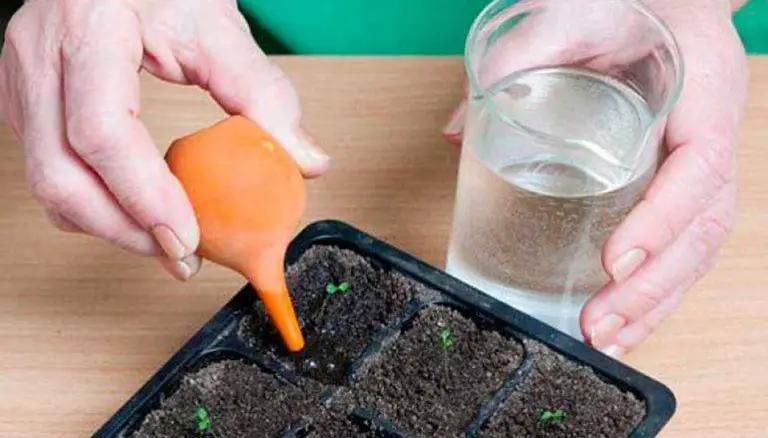
Finally, the method of watering plays a significant role in the overall health of your seedlings. It is best to water directly at the roots to ensure the plants receive the right amount of moisture. Watering from above can cause leaf rot and other issues, as water can accumulate on the leaves and stems, leading to potential disease.
In conclusion, choosing the right water for your seedlings involves considering factors such as pH level, salt content, water temperature, watering frequency, and the method of watering. By using the appropriate water and following these guidelines, you will help your seedlings grow strong, healthy, and resilient.