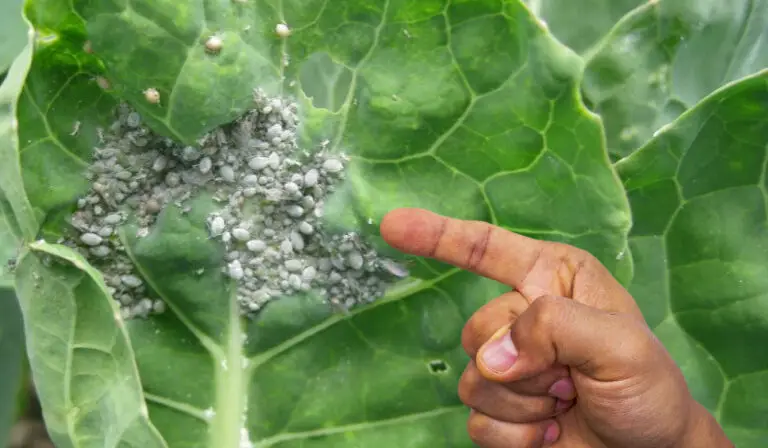
Aphids are harmful insects that multiply rapidly, particularly on cabbage, causing significant crop damage. While chemical solutions can be risky for edible crops, there are effective folk methods to combat aphids on cabbage.
1. Planting Companion Crops
One way to protect cabbage from aphids is to plant it between rows of other plants, such as carrots, dill, or other umbrella crops. These plants attract the natural enemies of aphids, helping to reduce their population.
2. Use of Wood Shavings
Sprinkle wood shavings along the paths between cabbage beds. This creates unfavorable conditions for aphid survival.
3. Onion Infusion
Collect onion bulbs and fill them with water to infuse for half a day. After filtering, use the liquid to spray cabbage. This infusion helps form a barrier against aphids.
4. Mixture of Nettle, Potato, and Tomato Tops
Mix equal parts of plant residues (nettle, potato tops, and tomato tops) in a bucket, filling it 1/3 full, and pour hot water over it. After two days of infusion, filter the mixture for spraying.
5. Hot Pepper Infusion
Boil 2-3 large pods of hot pepper in a liter of boiling water and let it infuse for a day. After filtering, dilute to a volume of 10 liters of water. This infusion can be used to spray cabbage.
Important Note
If aphids attacked your cabbage last season, avoid planting in the same spot next year. By using these folk methods, you can reduce aphid numbers and protect your cabbage from their harmful effects!