Growing seedlings is a critical step in cultivating a bountiful and healthy garden. The quality of your seedlings greatly impacts their development and, consequently, your final harvest. To achieve a thriving garden or vegetable patch, adherence to specific rules and procedures is crucial. The journey to robust seedlings begins with careful variety selection and extends through meticulous soil preparation and ongoing care.
Here are ten key rules to help you grow strong seedlings and secure an abundant harvest.
1. Selection of Varieties
Choose seed varieties that are well-suited to your region’s climate and soil conditions. Consider your own preferences and the specific needs of each plant to ensure they will thrive in your garden.
2. Soil Preparation
Prepare the soil by enriching it with compost or humus. Properly digging and mixing these organic materials into the soil will improve its fertility and structure, setting the foundation for healthy seedling growth.
3. Timing of Sowing
Understand and follow the optimal sowing times for each plant species based on your local climatic conditions. Timing is crucial for successful germination and growth.
4. Sowing and Planting
Ensure you sow seeds at the correct depth and maintain appropriate spacing between them. Proper planting techniques contribute to strong seedling development and reduce competition for resources.
5. Seedling Care
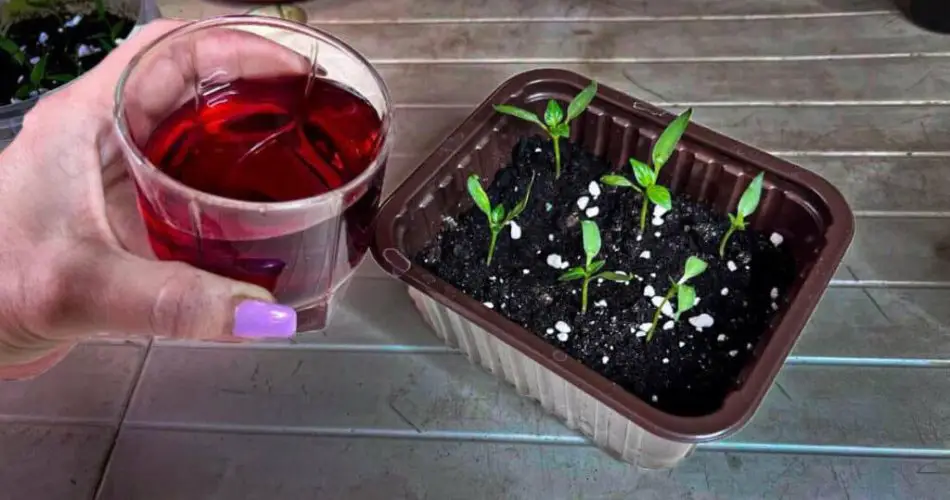
Regularly water your seedlings and thin them out as needed to prevent overcrowding. Consistent care supports healthy growth and prevents potential issues.
6. Hardiness of Seedlings
Gradually acclimate seedlings to external conditions by slowly reducing temperature and watering frequency before transplanting them outdoors. This process, known as hardening off, helps seedlings adapt to their new environment.
7. Protection Against Diseases and Pests
Employ environmentally friendly methods to protect your seedlings from diseases and pests. Using natural and organic treatments minimizes harm to the environment and supports healthy plant growth.
8. Transplanting to the Bed
Select an appropriate location for transplanting your seedlings and prepare the planting holes according to the specific needs of each plant. Proper placement ensures optimal growth and development.
9. Garden Care
After transplanting, provide regular care for your garden by ensuring plants have the necessary conditions for continued growth. This includes maintaining soil moisture, providing adequate light, and addressing any issues promptly.
10. Harvesting
Harvest your crops at the right time to stimulate continued plant growth and ensure the production of high-quality produce. Timely harvesting also enhances the overall health of your plants.
Properly cultivating strong seedlings is fundamental to achieving a successful garden. By following these ten essential rules, you can ensure a healthy, rich harvest and enjoy the rewards of your gardening efforts. May your plants thrive and bring you a bountiful and satisfying harvest!