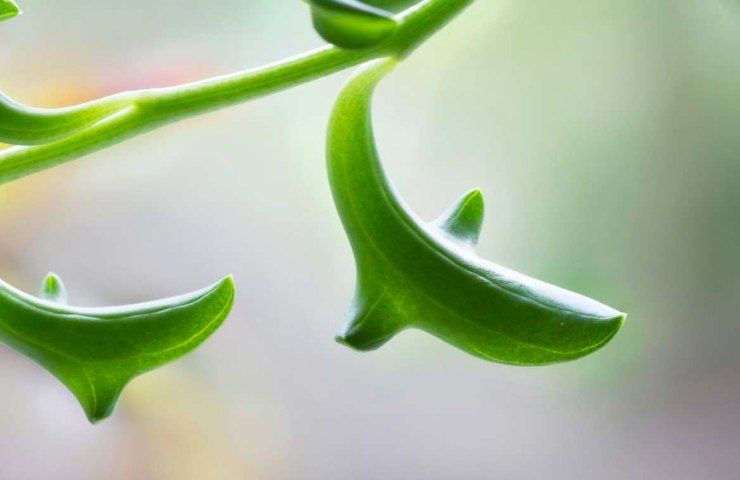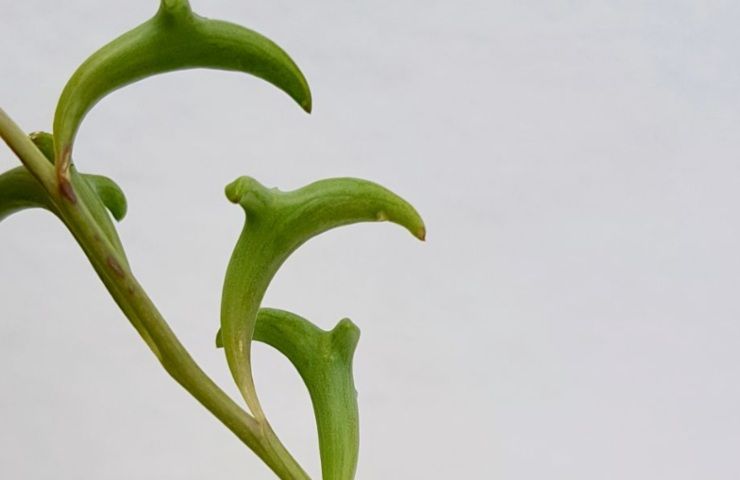
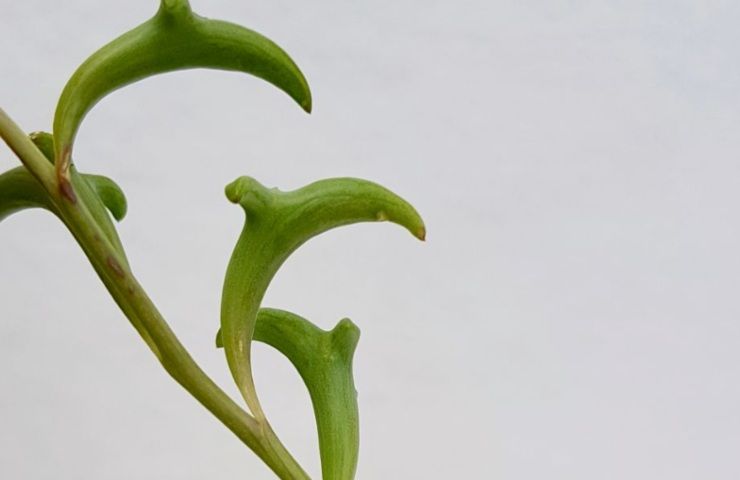
Have you ever seen a plant with dolphin-shaped leaves? 🌿🐬 The Dolphin Plant (Senecio Peregrinus) is a fascinating succulent that resembles a group of dolphins diving through the air. This ornamental plant is not only visually stunning but also easy to grow and maintain.
🌱 Understanding Senecio Peregrinus
The Dolphin Plant belongs to the Senecio genus, part of the Asteraceae family. It shares its family tree with other unique succulents, such as:
✔️ Senecio Rowleyanus – Known as the String of Pearls, featuring spherical leaves.
✔️ Senecio Cineraria – Recognizable by its velvety grayish leaves.
✔️ Senecio Radicans – Often called the Banana Plant due to its banana-shaped leaves.
Unlike its relatives, Senecio Peregrinus stands out for its charming dolphin-like leaves, making it a favorite among plant lovers!
🌞 Light & Placement
The Dolphin Plant thrives in bright light but can easily burn under direct sun.
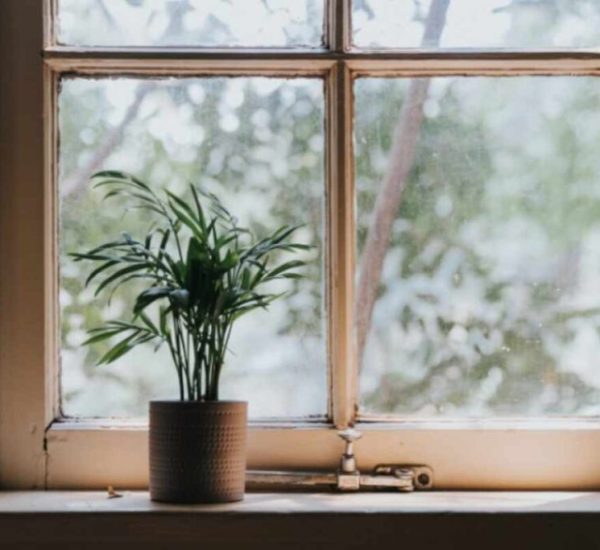
✔️ If kept indoors, place it near a south-facing window to ensure at least six hours of sunlight per day.
✔️ If grown outdoors, make sure it is partially shaded to avoid scorching its delicate leaves.
Although this plant does flower in spring, its tiny blooms are not the main attraction—the dolphin-shaped foliage steals the show!
🌿 Soil & Watering
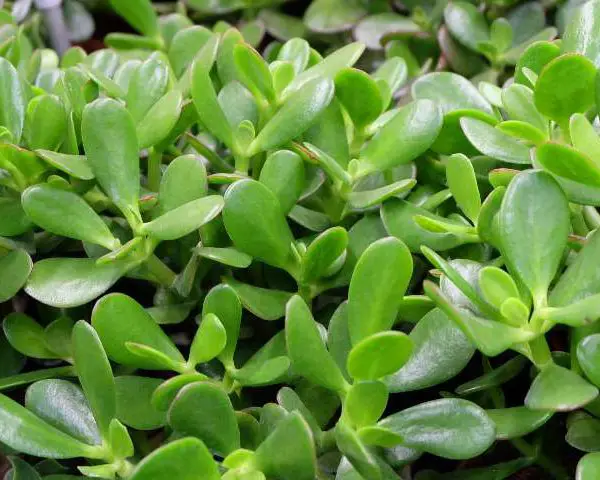
Like all succulents, the Dolphin Plant requires dry, well-draining soil to prevent root rot.
✔️ You can use store-bought succulent soil or make your own mix:
- 2 parts potting soil
- 1 part pumice
- 1 part sand
✔️ Since its fleshy leaves store water, it does not need frequent watering.
✔️ Always let the soil dry out completely before the next watering.
🌼 Fertilization & Pruning
✔️ Minimal fertilization is required—too much can cause the leaves to fall off.
✔️ Pruning isn’t necessary, but removing dead or diseased leaves helps keep the plant healthy.
🐜 Common Pests & How to Prevent Them
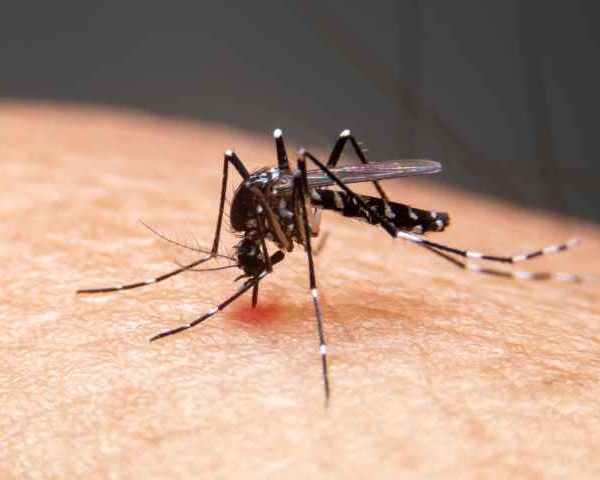
The Dolphin Plant is generally resilient, but it can attract sap-sucking insects like:
✔️ Aphids
✔️ Scale insects
✔️ Spider mites
💡 Prevention Tip: Keep the plant dry and well-ventilated. If pests appear, use neem oil or a mild soap solution to keep them away.