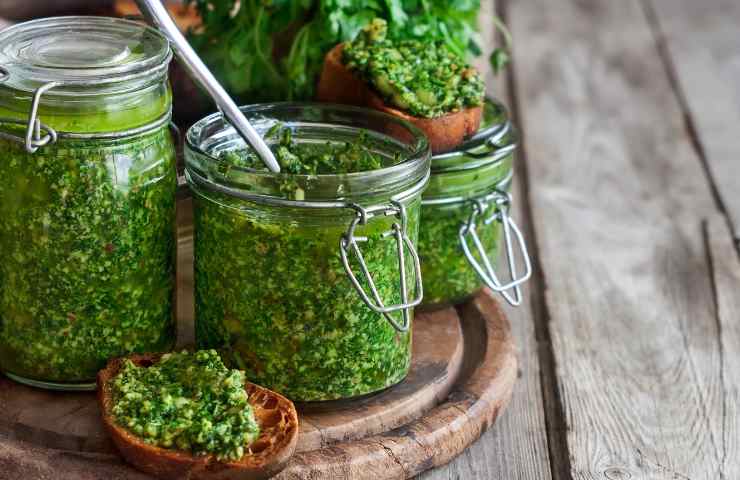
There’s nothing better than homemade basil pesto, but sometimes it can turn out bitter instead of fresh and flavorful. Don’t worry—there’s a simple trick to eliminate the bitterness and make your pesto delicious again!
🍃 Why Does Basil Pesto Turn Bitter?
The bitterness in homemade basil pesto usually comes from:
🟢 Oxidation – When basil leaves come into contact with air, they can turn bitter.
🟢 Over-processing – Blending basil for too long in a food processor can cause bitterness.
🟢 Low-quality olive oil – Some oils have bitter notes that can overpower the basil’s flavor.
Luckily, you can fix this problem with a few easy steps!
🔄 How to Remove Bitterness from Basil Pesto
🫒 Step 1: Prevent Oxidation with Olive Oil
✅ Before making the pesto, place the basil leaves in a glass with extra virgin olive oil (just enough to coat them).
✅ This step prevents oxidation, keeping the basil vibrant and sweet.
🥄 Step 2: Adjust the Ingredients
If your pesto already tastes bitter, try adding:
🌰 More nuts – Increase the amount of pine nuts or walnuts for a naturally sweet, nutty contrast.
🧀 More cheese – Extra Parmesan or Pecorino can balance out bitterness.
🍋 A touch of acidity – A few drops of lemon juice can brighten the flavor.
🫙 Step 3: Preserve Pesto Correctly
Once your pesto is ready, store it properly to maintain its fresh taste:
🟩 Cover the surface with a thin layer of olive oil before storing.
🟩 Use an airtight jar to reduce air exposure.
🟩 Refrigerate and consume within a few days for the best flavor.
🌿 Enjoy Perfect Homemade Pesto Every Time!
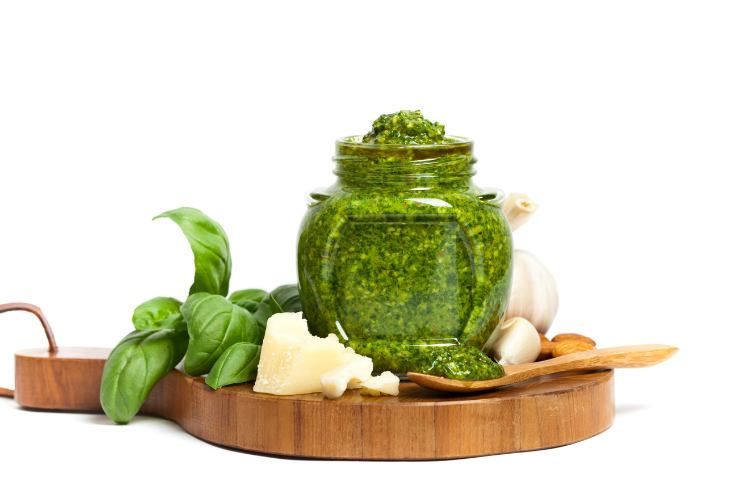
By following these simple tricks, your basil pesto will always taste fresh, sweet, and flavorful—perfect for pasta, sandwiches, or dipping! 🏺✨