Want to add a unique, eye-catching green space to your home? A terrarium is the perfect way to bring nature indoors with minimal maintenance. Whether for decoration, plant propagation, or scientific observation, these miniature ecosystems are sure to impress your guests. Plus, they’re easy and fun to create!
🏺 What is a Terrarium?
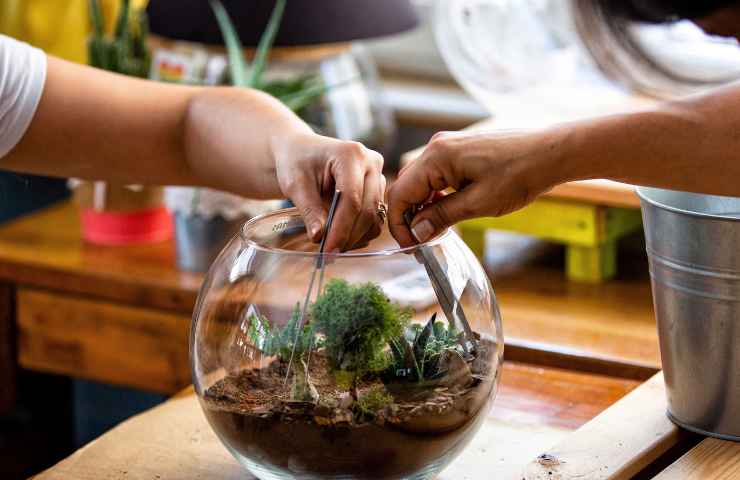
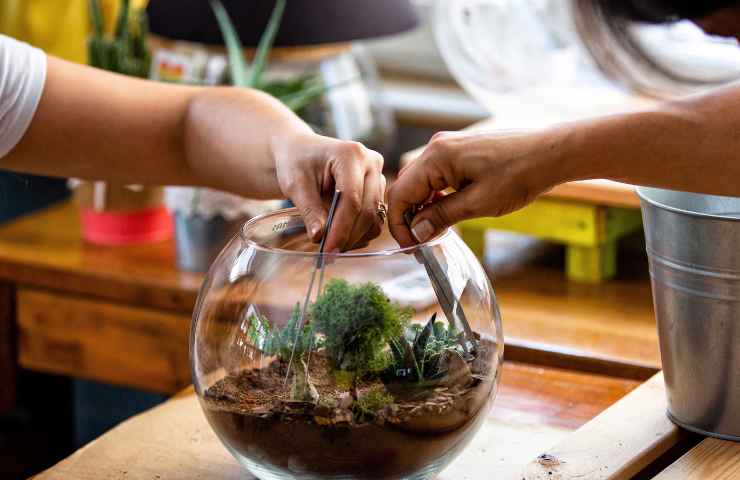
A terrarium is a glass container that holds plants and mimics a small ecosystem. It can be fully or partially enclosed, allowing heat and light to enter while trapping humidity inside. The word “terrarium” comes from the Latin words terra (earth) and arium (place/container).
🛠️ How to Make a Terrarium in 7 Simple Steps
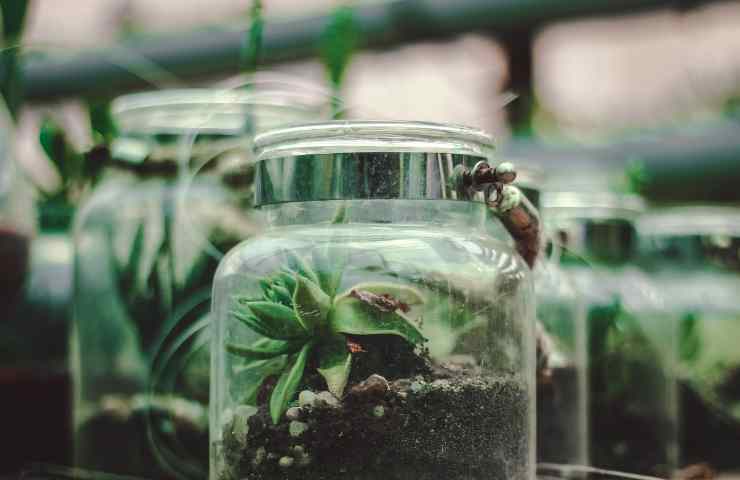
1️⃣ Choose the Right Container
The container sets the stage for your terrarium. While you can buy specialized terrariums (some even look like mini greenhouses!), you can also repurpose glass or plastic containers you already have at home.
Great container ideas:
✔ Aquariums
✔ Mason jars
✔ Cookie jars
✔ Goldfish bowls
✔ Brandy glasses
✔ Apothecary jars
💡 Tip: Choose a wide-mouthed container so you can easily arrange plants and decorations inside.
2️⃣ Select the Perfect Plants
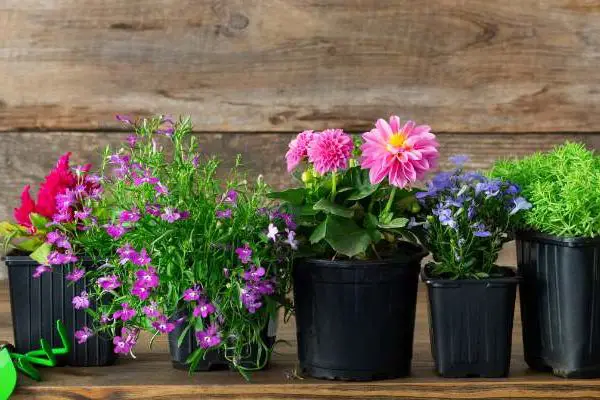
Pick miniature plants that thrive in low to medium light and will fit inside your terrarium without touching the sides. Mix different foliage shapes, textures, and colors for a visually appealing design.
Popular terrarium plants:
✔ Ferns 🌿
✔ Succulents & cacti 🌵 (for open terrariums)
✔ Mosses 🍃
✔ Air plants ✨
✔ Mini orchids 🌸
3️⃣ Create a Drainage Layer
Since terrariums don’t have drainage holes, a drainage layer is essential to prevent root rot.
✔ Add a 2cm layer of small stones or gravel at the bottom.
✔ Place a thin layer of activated charcoal (about 5-6 cm) over the gravel to absorb excess moisture and prevent odors.
💡 Tip: If your terrarium is tall and narrow, use a deeper drainage layer to ensure proper moisture control.
4️⃣ Add Moss & Soil
🌱 Moss acts as a barrier to prevent soil from mixing into the drainage layer. It also enhances the terrarium’s look!
✔ Add a thin layer of moss over the charcoal.
✔ Use sterile, slightly moist soil on top of the moss.
✔ Avoid pre-fertilized soil—terrarium plants don’t need extra fertilizer!
💡 Tip: Make sure the soil level is low enough for plants to grow without touching the lid (if enclosed).
5️⃣ Prepare Your Plants
Before planting, plan your layout. Think about where to place taller and shorter plants to create a balanced design.
✔ Loosen root-bound plants and prune any overly long roots.
✔ Trim yellow or damaged leaves for healthier growth.
✔ Arrange plants in varying heights for depth and visual interest.
6️⃣ Plant Your Greenery
Now it’s time to bring your terrarium to life!
✔ Dig small holes in the soil using your fingers or a spoon.
✔ Place each plant gently in its designated spot.
✔ Pat the soil down lightly to eliminate air pockets.
💡 Tip: Avoid overcrowding—give each plant enough space to grow.
7️⃣ Water & Maintain Your Terrarium
✔ Use a spray bottle or a small watering can with a gentle nozzle.
✔ Water just enough to dampen the soil, but don’t overdo it!
✔ Wipe the glass clean if condensation or dirt builds up.
💡 Tip: If your terrarium is closed, open it occasionally to prevent excessive humidity buildup.
🌿 Final Thoughts
A well-crafted terrarium is not just a beautiful home decoration—it’s a living work of art! With a few simple materials and a bit of creativity, you can build a miniature green world that will leave your guests admiring it for hours. 🌱✨
Are you ready to make your own? Which plants will you choose? Let me know! 😊 🌿