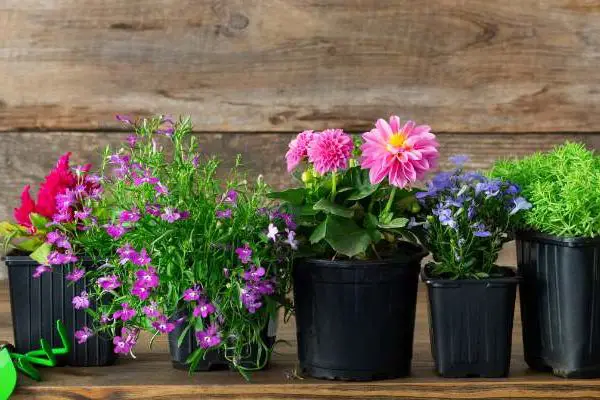
Chamomile is one of the most popular plants to grow at home, thanks to its soothing properties and its ability to produce fragrant flowers used in herbal teas. Instead of buying dried chamomile from the store, why not cultivate your own plant? It’s easier than you think! Here’s everything you need to know to successfully grow and care for chamomile at home.
🌱 Why Grow Chamomile at Home?

Chamomile is widely known for its relaxing and calming effects, making it a perfect natural remedy for stress and insomnia. While you can easily buy tea bags or dried flowers, growing your own fresh chamomile ensures a pure, chemical-free supply. Plus, it’s a beautiful plant that can add a touch of nature to your home!
☀️ How to Grow Chamomile at Home
Chamomile is a resilient plant that thrives in pots just as well as in the ground. Whether you grow it indoors or on a balcony, you can still enjoy its delicate flowers and wonderful aroma.
✅ Best Growing Conditions
✔️ Sunlight: Place the pot in a sunny spot, ideally near a south-facing window.
✔️ Temperature: Keep the temperature around 20°C (68°F) for optimal growth.
✔️ Soil Type: Use calcareous, well-draining soil to prevent water stagnation.
🌿 Pro Tip: The best time to plant chamomile is between July and February, but it can be started at any time of the year!
🌼 Chamomile Growth & Flowering Cycle
Chamomile’s vegetative cycle begins in spring, with its flowers blooming in May. The best months to harvest its flowers are May and June, when the plant is rich in active ingredients.
🔪 Pruning Tips: Use shears to trim branches or cut the entire plant, depending on your needs.
🍂 End of the Cycle: By autumn (September – October), chamomile stops flowering. This is the perfect time to repot the plant or move it to a different area of your home to prepare for the next blooming season.
🏺 How to Plant Chamomile in a Pot

Step-by-Step Guide:
1️⃣ Choose a large pot to give the roots plenty of space to grow.
2️⃣ Prepare the soil:
- Add a layer of pebbles at the bottom for drainage.
- Use non-acidic soil, preferably calcareous, to retain moisture while preventing water buildup.
3️⃣ Sow the seeds: - Scatter them evenly on the soil surface.
- Gently press them down to cover them lightly.
4️⃣ Water regularly: Keep the soil moist but not wet. Avoid water stagnation in the saucer!
💧 Watering Tip: Always check the moisture level before watering. The soil should feel slightly damp, but never overly wet.
🌟 Why You Should Grow Chamomile
✅ Fresh, organic chamomile for herbal teas ☕
✅ Easy to grow indoors or on a balcony 🌿
✅ Adds beauty & fragrance to your home 🌼
✅ Natural stress relief & better sleep 😴
By following these simple steps, you can enjoy your own homegrown chamomile and reap all its wonderful benefits. Would you try growing chamomile at home? Let us know! 💛