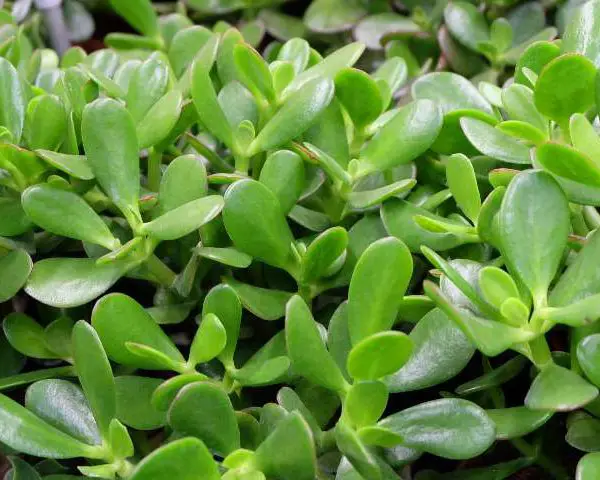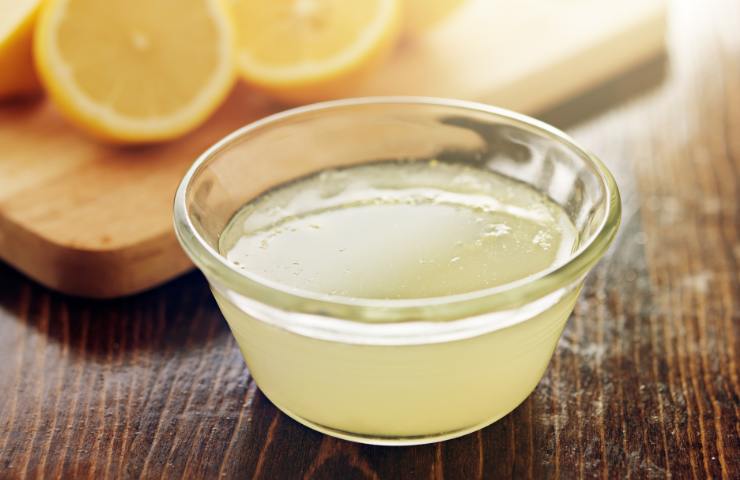
Did you know that lemon juice can be a powerful ally for your plants? This simple and natural ingredient provides essential nutrients that promote healthy growth and protect against pests. However, it’s crucial to use it correctly and in moderation to avoid harming your plants. Let’s explore how lemon juice can be used effectively in gardening.
🍃 Benefits of Lemon Juice for Plants
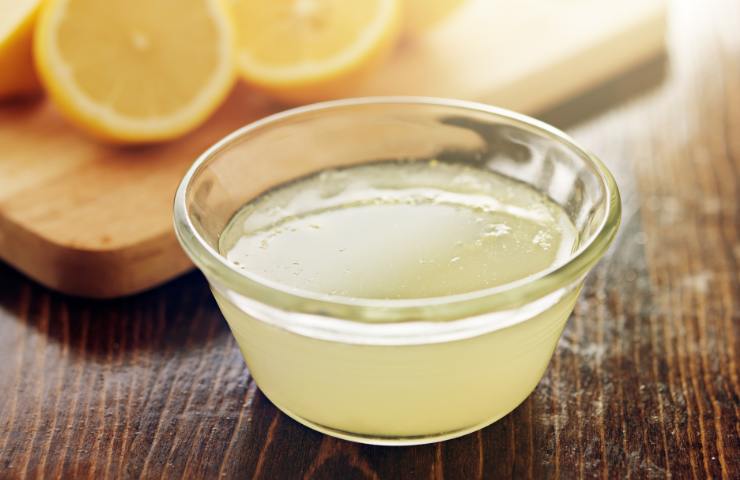
Lemon juice contains vitamin C and minerals that nourish plants and enhance their growth. It also serves as:
✔️ A natural leaf polish – It makes plant leaves look brighter and healthier.
✔️ An eco-friendly fertilizer – It provides essential nutrients at zero cost.
✔️ A pest repellent – It keeps insects, fungi, and mold away.
🌿 How to Use Lemon Juice on Plants
1️⃣ Leaf Polishing
To remove dust and residue from your plant’s leaves, follow these steps:
1️⃣ Squeeze a fresh lemon into a bowl.
2️⃣ Soak a cotton ball in the juice.
3️⃣ Gently dab each leaf, avoiding the flowers.
🌟 This will give your leaves a healthy shine and help them absorb more light!
2️⃣ Natural Fertilizer
Lemon juice can also be used as a DIY fertilizer:
1️⃣ Mix 100 ml of lemon juice with 2+ liters of water.
2️⃣ Pour the solution around the base of your plants.
3️⃣ Use this mixture every 6 weeks to nourish the soil.
🌱 This method enhances plant growth while naturally repelling pests and fungi!
⚠️ Important Tips for Safe Use
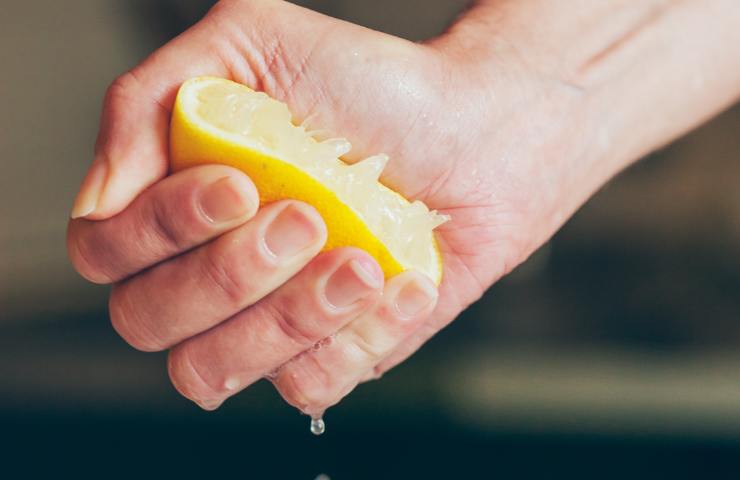
🔸 Never use pure lemon juice directly on plants, as its acidity can damage roots and leaves.
🔸 Moderation is key – Overuse can alter soil pH and affect plant health.
🔸 Avoid applying it to delicate flowers, as they may be sensitive to citrus.
Using lemon juice is an affordable, eco-friendly way to care for your plants. Try these methods and enjoy healthier, pest-free plants at no extra cost! 🌿🍋
Would you try this trick in your garden? Let me know! 😊