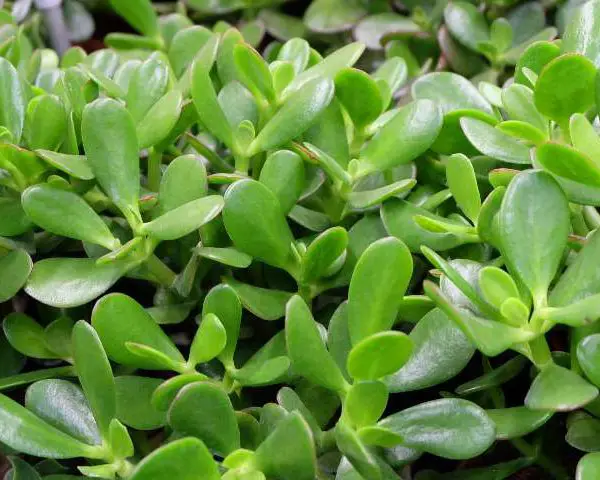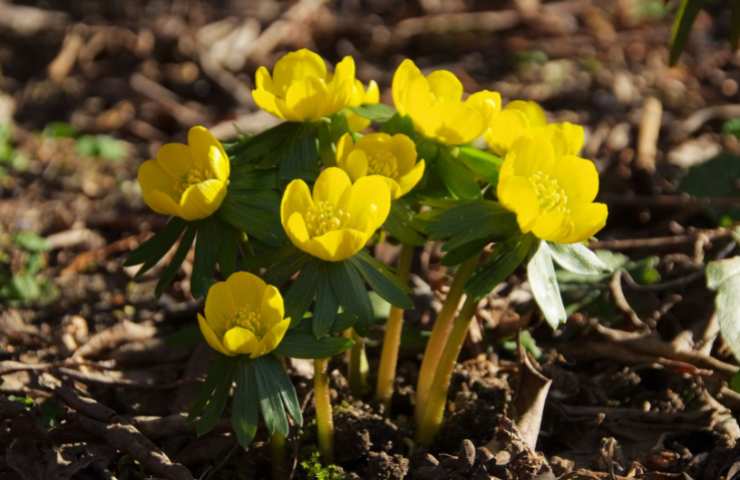
Aconite is a plant admired for its vibrant flowers and strong stems, but beneath its beauty lies a highly toxic nature. Often mistaken for sow thistle or mountain asparagus, this plant contains a dangerous poison that can be fatal. Understanding how to identify and avoid aconite is crucial for staying safe.
🌿 How to Identify Aconite
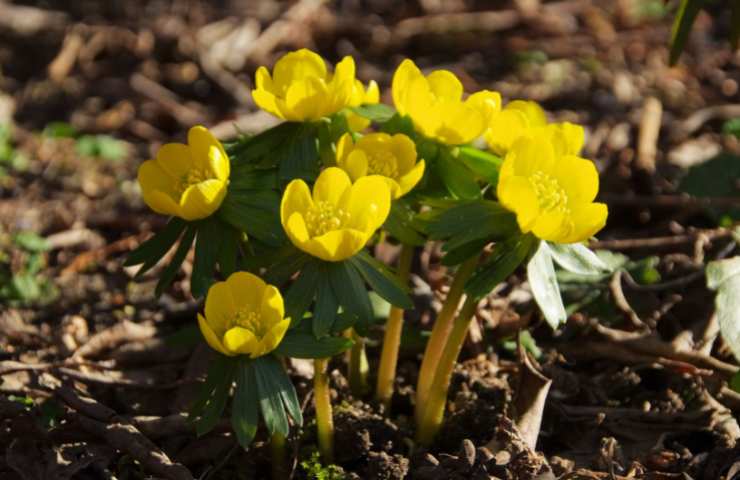
Aconite, also known as Monkshood or Wolfsbane, is a perennial plant with:
✔️ Resilient stems and deeply divided leaves
✔️ A tuberous root system
✔️ Distinct petal resembling a helmet
✔️ Flowers in shades of violet, yellow, or light blue
✔️ Black seeds
🗓️ Blooming Period: June – September
⛰️ Typical Habitat: Alpine environments and harsh climates, usually between 900m to 2500m altitude.
☠️ Why Is Aconite So Dangerous?
Aconite contains powerful alkaloids that can poison the human body within minutes. The symptoms of aconite poisoning typically appear within 15 minutes of exposure and include:
⚠️ Early Symptoms
❌ Tingling sensation in the feet and toes
❌ Sweating & numbness
❌ Dry mouth
⚠️ Severe Reactions
❌ Irregular heart rhythm, which can cause ventricular fibrillation
❌ Respiratory failure in extreme cases
🚨 No Known Antidote: Unfortunately, aconite poisoning has no cure. In severe cases, it can be fatal.
🛑 How to Protect Yourself from Aconite Poisoning
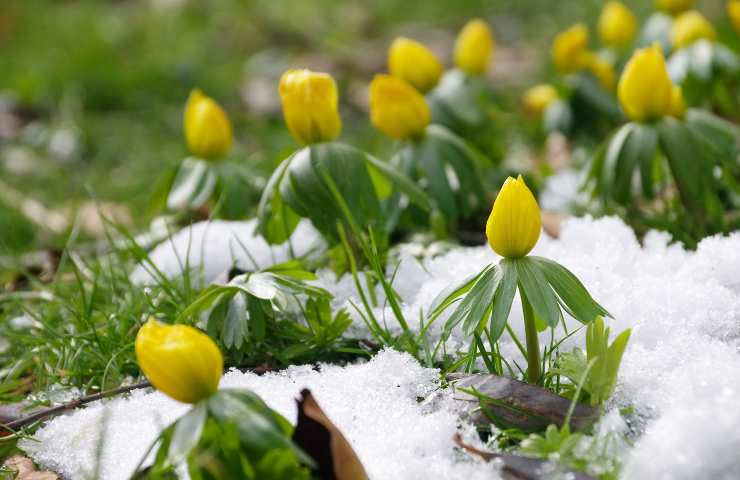
✔️ Learn to recognize aconite to avoid mistaking it for harmless plants.
✔️ Never touch or ingest unknown plants in the wild.
✔️ Keep children and pets away from aconite in gardens or natural areas.
✔️ Seek immediate medical attention if you suspect poisoning.
🌿 Final Warning
Like many toxic plants and mushrooms, aconite poses a significant health risk to those unaware of its dangers. While its stunning flowers may be tempting to admire, always stay cautious and avoid direct contact. Nature’s beauty can sometimes be deceptive—and in the case of aconite, it could be deadly. 🚨