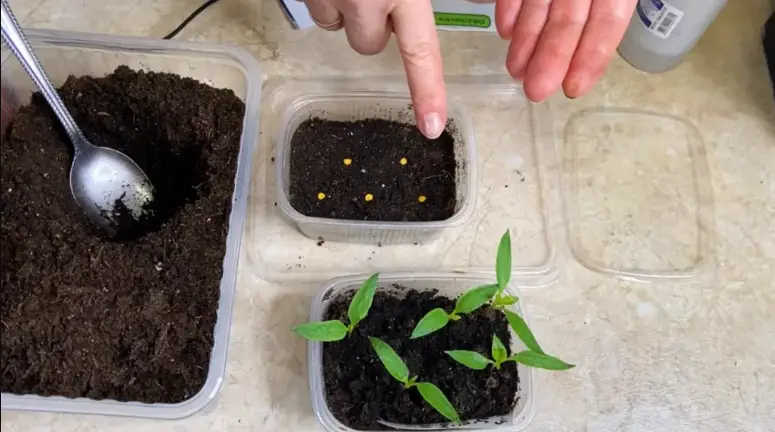
Understanding why seeds fail to germinate is crucial for successful gardening. Common reasons include low-quality seeds and various environmental factors.
Key Factors Affecting Germination
- Germination Rates: It’s important to note that achieving 100% germination is unlikely; expect a maximum of 80%. Always have extra seeds on hand.
- Source of Seeds: Seeds may not germinate well if collected from improper fruits. Ensure you use seeds from the first and fully ripe fruits for the best results.
- Seed Characteristics: Some seeds, like pepper seeds, are particularly capricious. They often require specific conditions, such as warming before sowing.
- Storage Conditions: Improper temperature during storage can negatively impact seed viability. Maintain a storage temperature between 14 to 16 degrees Celsius.
Soaking Guidelines for Optimal Germination
To enhance germination rates, consider soaking seeds before planting:
- Lettuce, Zucchini, Watermelon, Radish, Cabbage: Soak for 12 hours at 20-25 degrees Celsius.
- Beans and Peas: Soak for 6 hours at 20-25 degrees Celsius.
- Parsley, Carrot, Beet, Tomato: Soak for 48 hours at 20-25 degrees Celsius.
- Cucumbers: Soak for 2 hours at 50 degrees Celsius.
For convenience, place seeds in gauze bags during soaking.
Additional Tips
- Age of Seeds: Avoid planting seeds that have been stored for more than four years as their viability diminishes over time.
- Growth Stimulants: Consider using a growth stimulant. Aloe juice is a natural option that can enhance germination.
By addressing these factors and following these guidelines, you can significantly improve your seed germination success!
Show Comments