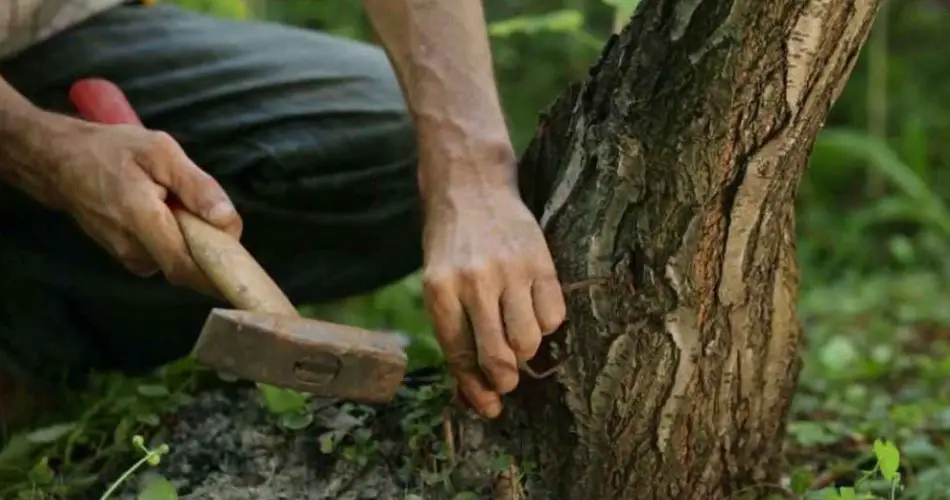
In the world of gardening, some age-old practices have persisted despite advances in agricultural science. Among these, one curious custom is the act of hammering a nail into an apple tree. Many gardeners today might encounter various folk methods and traditional tips, like feeding strawberries with milk or treating young plants with a sugar solution. However, not all of these practices are beneficial or backed by scientific evidence.
1. The Myth of Hammering a Nail into an Apple Tree
One of the more enduring myths is the practice of hammering a nail into an apple tree. Historically, this method was believed to:
- Improve Tree Health: Some gardeners thought that inserting a nail into the tree would enhance nutrient uptake or stimulate growth.
- Increase Fruit Yield: Others believed it could lead to a higher fruit yield or better-quality apples.
Agronomy experts, however, have found that this method lacks scientific support:
- Ineffectiveness: There is no evidence that hammering a nail into a tree has any positive effects on plant health or productivity.
- Potential Harm: This practice can actually injure the tree, potentially causing wounds that might become entry points for pests and diseases.
2. The Realities of Folk Methods
Folk methods and traditional tips are often popular but may not always be practical:
- Milk for Strawberries: While some recommend watering strawberries with milk, this method is largely ineffective. Although milk is an organic substance that breaks down into molecules that plants can absorb, its benefits are minimal. Additionally, it can lead to unpleasant odors.
- Sugar Solution for Young Plants: Similarly, using a sugar solution on young plants does not provide substantial benefits and may even cause issues like attracting pests.
3. Science-Backed Alternatives
For effective plant care, it’s better to rely on scientifically validated methods:
- Specialized Fertilizers: Instead of folk remedies, use specialized fertilizers designed for specific plants. For example, iron chelate applied to leaves can promote healthy growth and development.
- Evidence-Based Practices: Adopting gardening practices supported by scientific research ensures that plants receive the nutrients and conditions they need to thrive.
4. Conclusion
Before embracing traditional gardening tips, it’s crucial to evaluate their scientific validity and effectiveness:
- Avoid Ineffective Methods: Many popular folk methods, such as hammering a nail into an apple tree or using milk on strawberries, lack scientific support and may not yield the desired results.
- Opt for Proven Techniques: Invest time and resources in techniques and products that are proven to be effective, ensuring optimal conditions for plant health and growth.
By understanding the limitations of traditional practices and focusing on scientifically-backed methods, gardeners can achieve better results and promote healthier, more productive plants.