- Natural Shine: Milk contains proteins and fats that can impart a natural shine to ficus leaves, making them look healthier and more vibrant.
- Nutrient Boost: The nutrients in milk, such as calcium and vitamins, can be absorbed by the leaves, promoting overall plant health.
- Dilution: Mix milk with water in a 1:1 ratio to create a diluted solution.
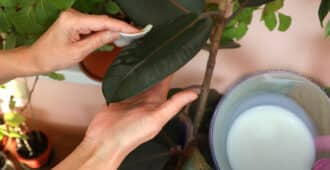
- Soft Cloth: Dip a soft cloth or sponge into the milk solution, ensuring it is lightly damp but not dripping.
- Wiping Technique: Gently wipe the top and bottom surfaces of each leaf with the cloth to remove dust and debris.
- Regular Maintenance: Wipe ficus leaves with milk once a month or as needed to keep them clean and glossy.
- Avoid Excess: Do not overuse milk as it may leave residues that attract dust and hinder leaf transpiration.
- Air Drying: Allow the leaves to air dry naturally after wiping to prevent moisture accumulation.
- Sunlight Exposure: Place the ficus in indirect sunlight during the drying process to avoid leaf burn.
- Enhanced Appearance: Leaves appear cleaner and shinier, enhancing the overall aesthetics of the ficus plant.
- Healthier Foliage: Regular cleaning with milk helps maintain leaf health by removing dust and providing supplementary nutrients.
Show Comments