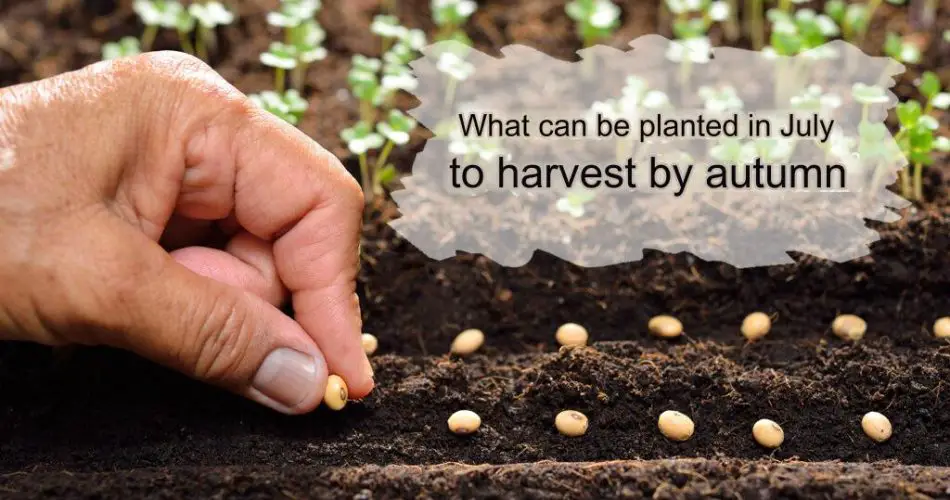
In July, there are numerous pre-ripened vegetables and greens that can be sown in the garden for an additional harvest in the fall. Many plants, such as turnips, carrots, radishes, rutabagas, parsnips, beets, and root parsley, are ready to harvest by August at their maximum size.
Options for Planting Greens in July
- Cucumbers: Can be sown, but it’s important to plant them in the shade. In sunny spots, these greens may become rough, develop flower stalks, and bloom prematurely.
- Dill: Can be sown every fifteen days from early spring to autumn. To enhance germination, cover the seeds with hot water before sowing. It’s also advisable to add rotted humus and mineral fertilizer to the soil.
- Watercress: Germinates quickly and can be planted in July, typically sprouting within 14 days.
- Lettuce: Usually ripens within a month. Proper planting is crucial to prevent the seedlings from pulling out their leaves, and regular watering is essential.
- Spinach: Thrives in summer and matures in 7 days. Soak spinach seeds in water before sowing for better results.
- Arugula: Ripens even faster, in just 5-6 days. Prepare the bed adequately and add sufficient fertilizer. Popular varieties include Rococo and Solitaire.
Options for Planting Vegetables in July
- Radishes: Can be sown every 2 weeks during summer with the addition of nitrogen fertilizer.
- Daikon: If sown in July, it can be harvested in October and stores well until April. July-sown vegetables are less susceptible to pests like cabbage loopers and cruciferous flea beetles.
- Legumes: Such as beans and peas, can also be planted since they mature quickly.
- Perennial Crops: You can sow onions, sorrel, and rhubarb in the lowlands. These can be grown after early crops like cucumbers, peas, dill, summer radish, and potatoes. Be sure to mulch these perennials in the fall with peat or compost.
Best Practices for July Planting
- Opt for hybrid varieties of vegetables, as they tend to ripen faster.
- Choose compatible plants and follow good crop rotation practices.
- Prepare the beds in advance by clearing them of plant debris and weeds, loosening the soil, watering it, and adding fertilizers such as urea, superphosphate, and potassium sulfate.
- Ensure that plants have adequate moisture in the summer. Soaking seeds before sowing and watering the furrows is recommended.
Planting greens and vegetables in July doesn’t require a large area; even a small space can accommodate various plants. The key is providing proper care. With the right attention, you can enjoy a delicious harvest from your garden!
Show Comments