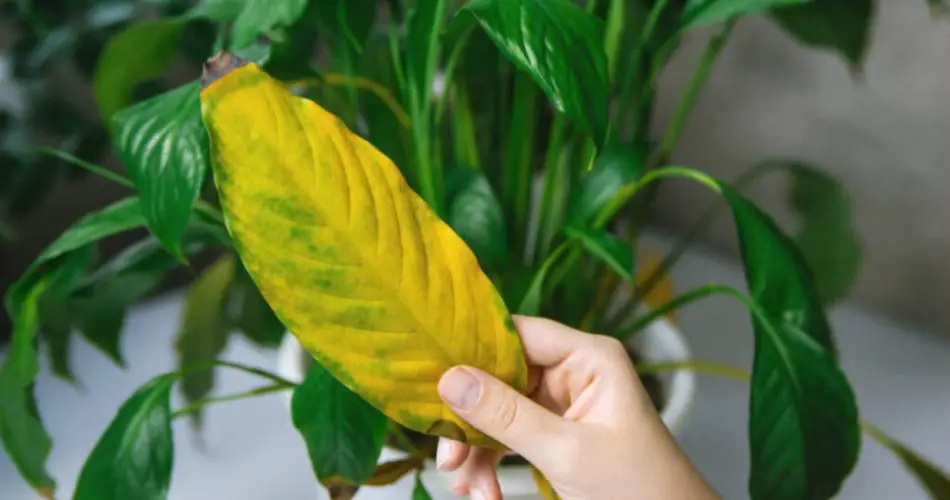
Spathiphyllum, also known as “female happiness,” is a relatively low-maintenance indoor plant. However, even this hardy flower can experience issues such as yellowing leaves and leaf drop. If you notice yellow leaves, it may not always be a cause for concern, but when this happens in large numbers, it’s time to take action.
Steps to Address Yellowing Leaves on Spathiphyllum
- Identify the Cause
First, try to determine the root cause of the problem. Several factors can contribute to yellow leaves, including pests, nutrient deficiencies, or fungal infections. - Trim Yellowing Leaves
Once you’ve identified the cause, cut the yellowing leaves as short as possible. After cutting, apply activated charcoal to the cut ends to prevent infection. - Check for Pests
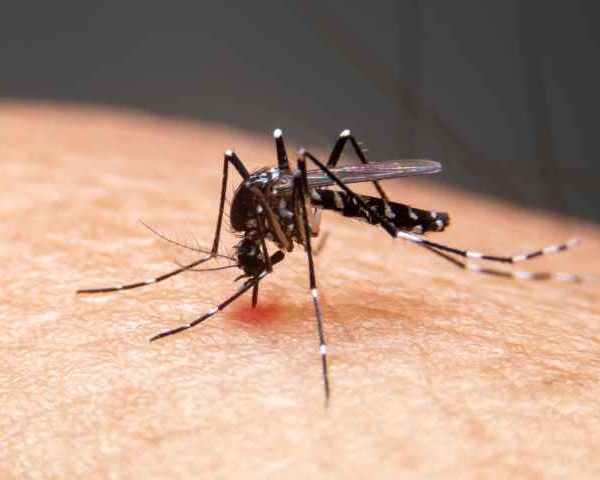
If you suspect your Spathiphyllum is infested with pests, treat it with a soapy solution, tobacco solution, or a special insecticide designed for indoor plants. - Address Nutrient Deficiency
Yellow leaves can also be a sign of magnesium deficiency. To resolve this, feed your plant with magnesium sulfate to restore its nutrient balance. - Treat for Fungal Infections
If the plant is infected with a fungus, treat it with a fungicide like fundazol to eliminate the problem. - Transplant the Plant
If the plant continues to struggle despite treatment, it may be time to transplant it. Carefully remove the plant from the old soil, shake off the old soil, and replant it in fresh, nutrient-rich soil. When transplanting, it’s also a good time to divide the plant if needed.
Preventing Yellowing Leaves in the Future
To prevent yellowing leaves from becoming a recurring issue, ensure your Spathiphyllum receives proper care:
- Avoid overwatering or underwatering.
- Provide the plant with the right amount of light—bright, indirect light is ideal.
- Keep the humidity levels high, as Spathiphyllum thrives in humid conditions.
With the right care and prompt action, you can help your Spathiphyllum recover from yellowing leaves and keep it healthy for years to come.
Show Comments