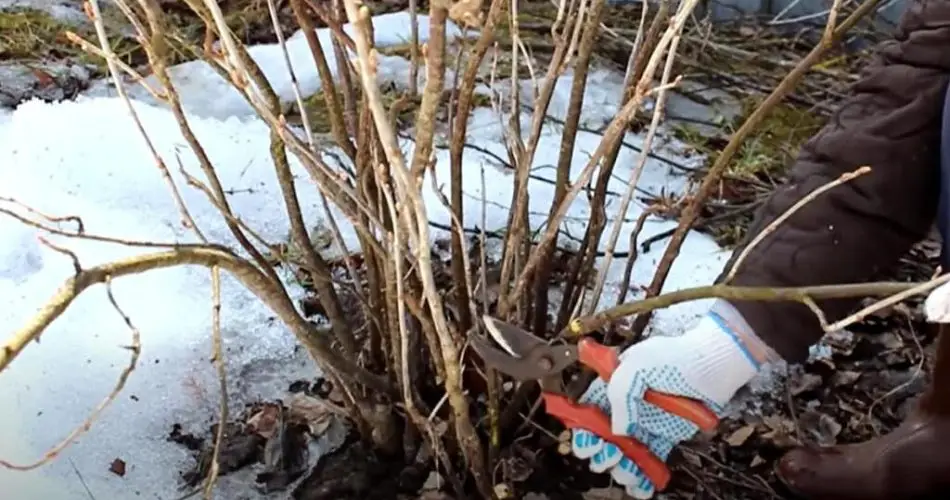
As winter arrives, many gardeners pause their activities, but this season is crucial for the pruning of specific plants to ensure a fruitful summer. Experts recommend not delaying the pruning of certain plants until spring. This is particularly true for fruit trees, which require winter attention to manage their size and encourage optimal fruiting.
When is the Best Time to Prune Trees?
Pruning during the dormant period—typically during the colder months—is essential for effective plant management:
- Dormant Season Pruning: Pruning fruit trees in winter helps maintain their size, making them easier to care for and harvest. The dormant period is ideal because it reduces plant stress and minimizes the risk of disease.
- Avoid Common Mistakes: To achieve the best results, avoid common errors such as pruning at the wrong time, neglecting annual pruning, and over-pruning. Proper timing, usually late winter or early spring, is key to reducing stress on the plant and preventing disease.
Which Plants Benefit from Winter Pruning?
Certain plants require specific pruning schedules to thrive:
- Fruit Trees: Pruning fruit trees in winter prevents unwanted growth of new shoots that can be vulnerable to frost. This practice helps control the tree’s size and improves fruit production.
- Ornamental Trees and Shrubs:
- Wisteria: Prune wisteria twice a year—during its dormant period from November to February and again in the summer after flowering. This ensures healthy growth and an abundance of blooms.
- Climbing Roses: Winter pruning of climbing roses is essential to regulate their shape and protect them from damage. Prune after flowering to maintain their health and vigor.
Benefits of Winter Pruning
- Enhanced Plant Health: Proper winter pruning helps manage plant size and encourages stronger, healthier growth.
- Improved Fruit Production: For fruit trees, winter pruning promotes better fruiting and easier harvesting.
- Disease Prevention: Pruning during the dormant season helps reduce the risk of disease and minimizes plant stress.
Additional Tips
- Timing: Ensure pruning is done during the appropriate dormant period for each plant to avoid damaging new growth or disrupting the plant’s natural cycle.
- Technique: Use proper pruning techniques and tools to avoid injury to the plant and to encourage healthy growth.
By adhering to a winter pruning schedule, gardeners can ensure their plants are well-maintained and primed for a productive growing season. Winter is not a time to rest but a crucial period for preparing your garden for a bountiful summer harvest.