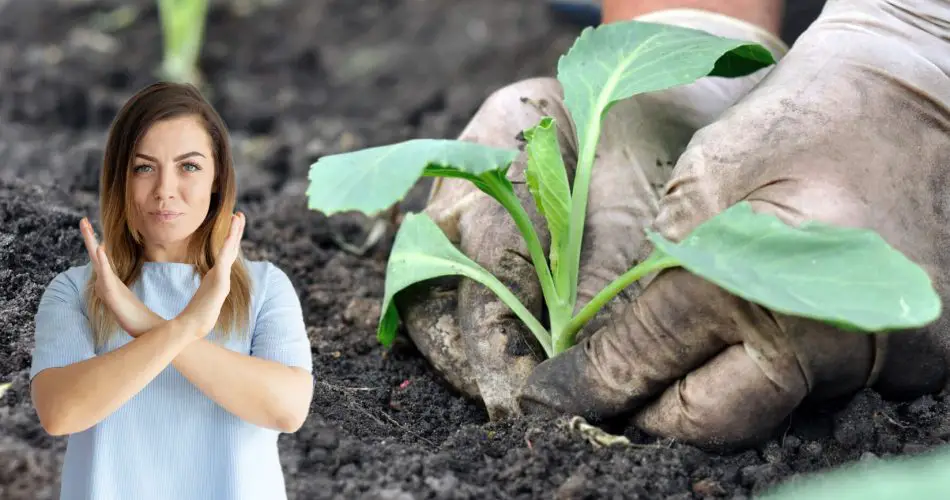
Almost every gardener enjoys growing cabbage in their garden. However, special care is needed since cabbage thrives in the cold season. Planting it after certain crops can lead to poor yields.
Crop Rotation
Crop rotation involves growing different crops in the same area year after year, which helps maintain soil health and reduces the risk of pests and diseases.
When the same crop is planted repeatedly in the same spot, the soil becomes depleted and less fertile, increasing the likelihood of pests and diseases. By alternating crops, you can enrich the soil with various nutrients.
Bad Predecessors for Cabbage
It’s essential to consider what was grown in the area before planting cabbage. Avoid these crops as predecessors:
- Broccoli, Cauliflower, and Brussels Sprouts: These can lead to an increase in pests and diseases that affect the cabbage family.
- Tomatoes, Peppers, Eggplants, and Potatoes: These plants prefer acidic soil, which can lead to nutrient deficiencies for cabbage.
- Turnips, Radishes, Peas, and Beans: Not the best options for planting before cabbage.
Growing Cabbage
- Soil Quality: Select healthy soil with a pH of 6.0-6.5 that drains well and contains plenty of organic matter.
- Type of Cabbage: Choose the right type, such as green, red, or savoy cabbage.
- Planting Time: Plant in spring or autumn. In spring, plant 4-6 weeks before the last frost; in autumn, sow seeds in mid-summer.
- Watering: Maintain consistent moisture by watering 1-2 times every week.
- Fertilization: Use balanced fertilizers, ideally those with more phosphorus than nitrogen, and apply them regularly.
Pest Management
Cabbage can attract pests like aphids and cabbage worms. To protect your plants, use insecticidal soap.
Harvesting
When the heads become firm, it’s time to harvest. Cut the cabbage at the base to ensure the best quality.
By avoiding poor predecessors and following these guidelines, you can enjoy a healthy cabbage harvest!