Manna is a natural, sugary substance derived from certain plants, particularly the ash tree. Revered since ancient times, its laxative, emollient, and sedative properties have made it a valuable remedy for centuries. Let’s explore what makes this substance so unique and its amazing benefits.
What is Manna and Where Does It Come From?
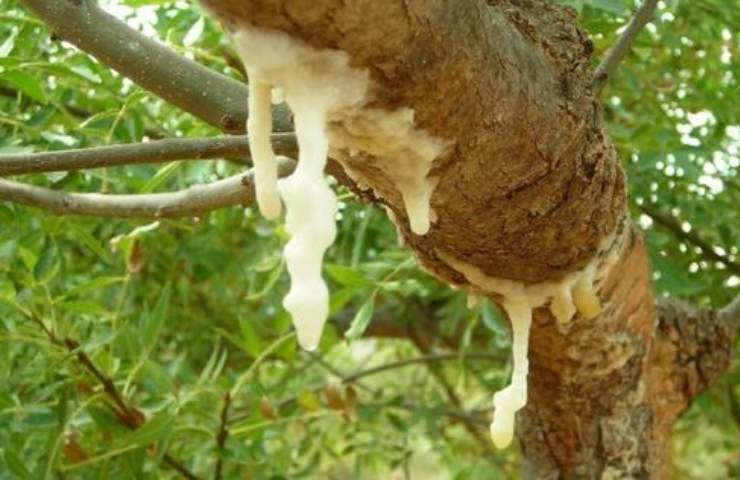
Manna is a condensed, sugary sap that seeps from the trunks of specific ash tree varieties, such as Fraxinus ornus and Fraxinus angustifolia. Originating from Persia, manna is now cultivated in Italy, Spain, and parts of Asia, with Sicily being renowned for producing the world’s finest manna since the 1700s.
How is Manna Harvested?
- Manna flows from the tree trunk after small lacerations are made in the bark.
- It starts as a dense, white liquid that solidifies into a sugary substance.
- The tree begins producing manna only after its sixth year of growth.
Types of Manna
Manna is categorized into two main types based on how it’s collected:
1. Manna in Cannoli (or Manna in Tears)
- Also called precious manna, this variety forms stalactite-like protuberances on the trunk.
- It is harvested before it touches the ground, maintaining its purity and quality.
2. Manna in Sorte (Sicilian Manna)
- Collected from the ground after it has fallen and accumulated.
- It comes in various forms, such as logs, powder, or pieces, and resembles candy with a sweet, pleasant flavor.
Health Benefits of Manna
Manna is packed with beneficial compounds like fructose, glucose, oligosaccharides, and mannitol, which give it its name and therapeutic properties.
1. Laxative Action
Mannitol provides a gentle, natural solution for constipation, making it suitable for children and elderly individuals.
2. Soothing and Sedative Effects
- Calms the throat and eases coughs.
- Relieves symptoms of chronic bronchitis.
3. Digestive Aid
- Helps regulate digestion without harsh side effects.
- Can be dissolved in water or warm milk for easy consumption.
How to Use Manna
Manna can be consumed in various ways:
- Dissolved in water or milk.
- Sucked directly like candy.
- Used as a natural sweetener in teas and infusions, as an alternative to traditional sugar or artificial sweeteners.
Dosage Recommendations:
- Children: 2 to 15 grams.
- Adults: 20 to 30 grams.
- Consume for several days as needed.
Precautions and Contraindications
While manna has no major side effects, overconsumption can cause:
- Stomach discomfort.
- Nausea and vomiting.
- Excessive laxative effects.
Moderation is key to enjoying its benefits without adverse reactions.
Fascinating Facts About Manna Trees
- Manna-producing trees, such as ash trees, can grow up to 10 meters tall.
- They have serrated leaves and fragrant white flowers.
- The process of manna secretion begins only after the tree reaches six years of age.
Why Choose Manna?
Manna offers a natural, versatile remedy with a host of benefits. Its historical significance and unique harvesting process make it not only a health booster but also a culinary treasure. Whether you’re looking for a gentle laxative, a natural sweetener, or a way to soothe a cough, manna is a remarkable substance worth exploring.
Would you like to learn more about incorporating manna into your lifestyle? 🌿