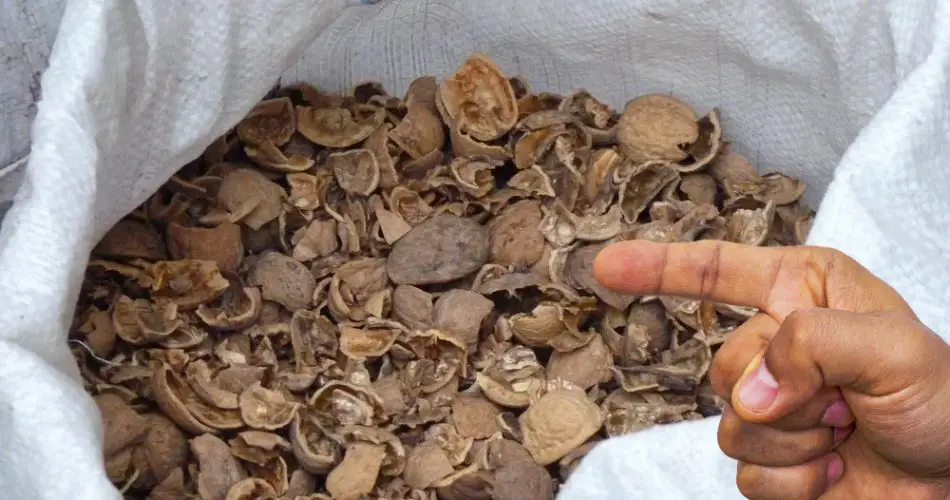
Don’t be in a hurry to throw away those walnut shells! Learn how to transform them into a valuable fertilizer for your garden.
Walnut Shells: An Unexpected Fertilizer for Your Garden
Who would have thought that an ordinary walnut shell could become a real treasure for your garden? This seemingly unnecessary waste actually has enormous potential to feed plants and improve soil quality. Let’s dive into how you can use walnut shells in your garden with maximum benefit.
Walnut Shell as a Fertilizer: Secrets of Effective Use
Walnut shells are more than just waste—they’re a valuable natural fertilizer packed with essential trace elements like phosphorus, potassium, zinc, and calcium. They can be used in several ways to benefit your garden.
1. Mulching
Shredded walnut shells make an excellent material for mulching. When spread around plants, they help retain moisture in the soil, prevent weed growth, and protect the roots from both overheating and hypothermia. This type of mulch is especially useful for young seedlings and perennial flowers.
2. Feeding
Walnut shells can serve as a great source of nutrients for plants. Simply burn the shells, then scatter the resulting ash over garden beds, or dissolve it in water for irrigation. This type of feeding is particularly beneficial for plants that need extra potassium and phosphorus.
3. Drainage
Walnut shells have excellent water permeability, making them ideal for drainage. Place a layer of shells at the bottom of a planting hole or pot to ensure good drainage and prevent water stagnation, which can lead to root rot.
4. Watering Solution
You can also create a nutrient solution for watering indoor plants using walnut shells. Pour warm water over the shells with a bit of sugar and let it infuse for several days. The resulting solution contains valuable nutrients that help stimulate plant growth.
Benefits of Using Walnut Shells
- Environmentally friendly: Walnut shells are a natural material that does not pollute the environment.
- Economically beneficial: By using walnut shells, you can reduce the cost of purchasing mineral fertilizers.
- Easy to use: Walnut shells are simple to work with, requiring no special knowledge or skills.
- Multifunctionality: Walnut shells can be used for a variety of purposes around the garden.
Conclusion
Walnut shells are far from just waste; they are a valuable resource for your garden. Thanks to their properties, walnut shells can improve plant growth, make the soil more fertile, and promote healthier plants. Before you toss out those shells, consider how they can work wonders for your garden.
Tips for Using Walnut Shells:
- It’s advisable to grind the shells before use to increase their contact area with the soil.
- Avoid using fresh shells, as they may contain harmful substances. Dry them before use.
- Don’t overuse walnut shells, as too much can lead to calcification of the soil.
- Regularly inspect plants that have been fed with walnut shells to spot any issues early.
By using walnut shells, you’ll not only help the environment but also enjoy a rich and high-quality harvest.