Potassium permanganate is a versatile and affordable tool that deserves special attention in gardening. By following a few simple rules, it can become an indispensable assistant in your garden.
Benefits of Potassium Permanganate for Soil and Greenhouses
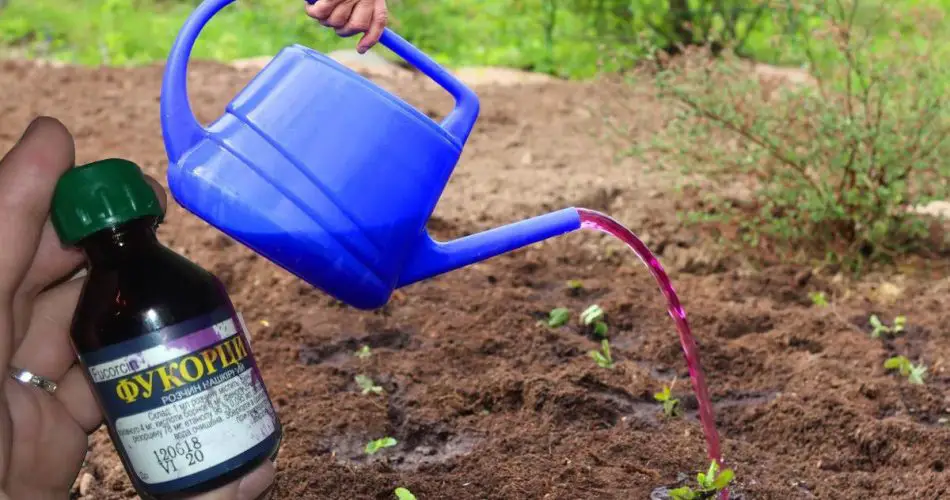
To prevent plant diseases, it’s crucial to treat the soil before planting. A potassium permanganate solution can be applied directly to the soil or in greenhouses. To prepare the solution, dissolve 5 grams of potassium permanganate in 10 liters of water. This will help reduce the risk of plant diseases and promote growth and development.
Additionally, spraying the walls of greenhouses with this solution protects the plants inside by preventing the spread of diseases and supporting overall plant health.
Using Potassium Permanganate as a Fertilizer
In spring, you can feed plants like currants, raspberries, gooseberries, and cabbage with a potassium permanganate solution. Dissolve 3 grams of potassium permanganate in 10 liters of water to water your plants, including cabbage, beets, peas, and beans.
Application of Potassium Permanganate Against Insects
Potassium permanganate is effective against wireworm. Prepare a solution and pour 0.5 liters into each hole before planting potatoes. This will help prevent damage from these pests.
Fighting Diseases with Potassium Permanganate
You can also use a potassium permanganate solution to combat black leg. Water the affected plants with the same solution prepared earlier.
For gray rot, spray a solution at a ratio of 2 teaspoons per 10 liters of water to help manage this disease effectively.
By incorporating potassium permanganate into your gardening routine, you can enhance plant health and reduce pest problems!