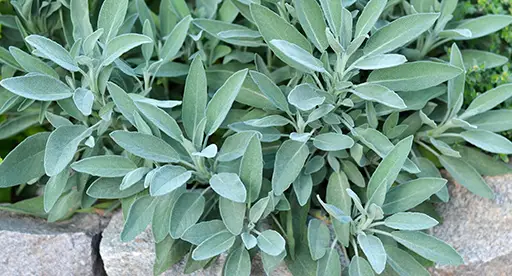
Sage (Salvia officinalis), native to the Mediterranean, is celebrated globally for its aromatic qualities and its versatility across various domains such as cooking, natural medicine, personal hygiene, and even spiritual practices. With a history that spans centuries, sage has cemented its place not only in culinary arts but also in traditional remedies and household uses. Here, we explore the comprehensive range of applications that showcase the powerful and beneficial aspects of sage.
1. Culinary Uses of Sage
- Seasoning: Renowned for enhancing meats, especially pork and poultry, sage also complements vegetarian dishes. It’s a staple in stuffings, sauces, and soups, offering a robust flavor profile.
- Herbal Teas: Sage leaves are excellent for making aromatic herbal teas that aid in digestion.
- Flavored Oils and Butters: Infusing sage into oils or butters can significantly elevate the taste of various dishes.
2. Natural Medicine Applications
- Anti-inflammatory and Antioxidant: Loaded with anti-inflammatory and antioxidant properties, sage helps mitigate inflammation and neutralizes free radicals.
- Throat and Oral Health: Utilized for its antiseptic qualities, sage effectively treats sore throats, gingivitis, and mouth ulcers, often used in natural gargles and mouthwashes.
- Digestive Aid: Sage tea is celebrated for easing bloating and flatulence due to its digestive and carminative properties.
- Menstrual Support: Beneficial in alleviating PMS symptoms and regulating menstrual cycles.
3. Personal Hygiene Benefits
- Natural Deodorant: The antibacterial properties of sage allow it to serve as a natural deodorant in both essential oil and powder forms.
- Hair Care: Ideal for oily hair and promoting hair growth, sage can be used in hair rinses or as an active ingredient in hair care products.
- Skin Care: Sage infusions act as natural skin toners, aiding in acne reduction and skin purification.
4. Household Uses
- Natural Cleaning Solutions: Sage’s antibacterial attributes make it a potent ingredient in homemade cleaners, perfect for disinfecting surfaces.
- Insect Repellent: As a natural insect repellent, sage can be burned or its essential oil used in diffusers.
- Room Fragrance: Both fresh and dried sage leaves are excellent for creating potpourri or enhancing room fragrances with a fresh, pleasant aroma.
5. Additional Uses
- Natural Dye: Sage serves as a natural dye for fabrics and yarns, producing a spectrum of colors from green to yellow.
- Craft Applications: Incorporating sage into handmade candles and soaps adds both fragrance and antibacterial properties.
How to Harness Sage’s Benefits
- Cooking: Integrate sage into your cooking to enhance flavors naturally.
- Tea Preparation: Brew sage leaves for a soothing tea that aids digestion and relaxes the mind.
- Topical Use: Apply sage-infused products for skin and hair benefits.
- Household Cleaning: Utilize sage in homemade cleaning agents for a natural, chemical-free alternative.
- Spiritual Practices: Employ sage in smudging rituals to purify spaces and promote a calming environment.
Sage’s broad utility makes it a valuable herb well beyond mere culinary use. Its applications in medicinal treatments, personal care, home cleaning, and spiritual practices illustrate its importance as a multifunctional natural resource. By embracing the diverse uses of sage, individuals can enhance their health, improve their living environments, and maintain a natural, sustainable lifestyle. Whether it’s through its healing properties, aromatic benefits, or as a staple in natural remedies, sage offers a treasure trove of benefits that can enrich everyday life and promote holistic wellness.