Indoor plants are more than just decorative pieces—they’re living organisms that need proper care to flourish. One of the most critical aspects of plant care is watering. Whether you want your plants to bloom lushly or simply stay healthy, achieving the ideal balance of moisture is key. Here’s everything you need to know about watering your indoor plants and helping them grow strong and vibrant.
Why Proper Watering is Essential
Watering is one of the most vital factors for plant health. Too much or too little water can cause serious damage. Over-watering can lead to root rot and fungal diseases, while insufficient watering causes wilting and yellowing leaves. Finding the right balance is essential to avoid these issues.
Secrets to Successful Watering
- Individual Care for Each Plant
Every plant has its own needs. Some require more water, while others thrive on less. It’s crucial to understand your plant’s specific needs and adjust accordingly. For example, cacti store water in their stems and need less frequent watering compared to tropical plants that prefer consistently moist soil. - Using a Water Tray
A water tray is a simple and effective way to manage how much water your plant receives. By pouring water into the tray, the plant can absorb as much as it needs, preventing overwatering and ensuring consistent moisture. - Consider Seasonal Changes
As the seasons change, so do your plants’ water requirements. During the warmer months, when plants are actively growing, they need more frequent watering. In contrast, during the colder months, when plant growth slows down, you can reduce the watering frequency. - Water Quality Matters
Always use room temperature, filtered, or stagnant water for your indoor plants. Chlorinated or cold water can negatively impact the root system and overall plant health. - Signs of Over or Under-Watering
Regularly inspect your plants. If the leaves start to wilt or turn yellow, it could be a sign of improper watering. On the other hand, soft, mushy leaves or a foul smell from the soil can indicate over-watering.
How to Tell When Your Plant Needs Water
Here are a few ways to check if it’s time to water your plants:
- Touch the Soil: Insert your finger a few centimeters into the soil. If it feels dry, it’s time to water.
- Lift the Pot: If the pot feels light, the soil is likely dry and needs watering.
- Tap the Pot: When the soil is dry, tapping the pot will produce a hollow sound.
Additional Tips for Healthy Indoor Plants
- Fluff the Soil: Gently fluffing the soil can improve air circulation and prevent moisture from stagnating at the roots.
- Choose Pots with Drainage: Always use pots with drainage holes to allow excess water to escape. This prevents waterlogging and protects the roots.
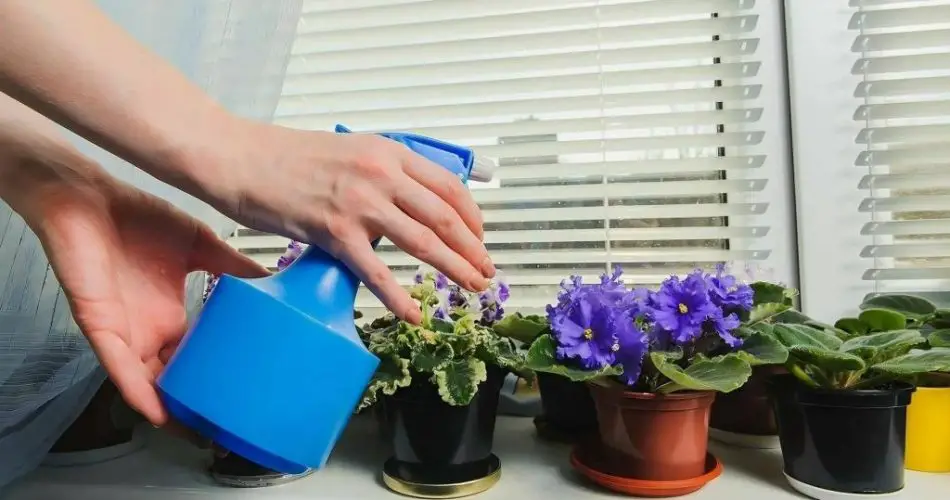
- Avoid Over-Spraying: Don’t spray your plants too often, as this can encourage fungal growth.
Conclusion
Mastering the art of proper watering doesn’t take long, but it does require attention and patience. By monitoring your plants closely and adjusting watering habits based on their specific needs, you’ll create a thriving green oasis in your home. Healthy plants not only beautify your living space but also create a peaceful, natural environment that will delight you for years to come.
Take good care of your plants, and they will reward you with lush growth and vibrant blooms, turning your home into a true green sanctuary.