1. Selecting the Right Grape Variety
Choose a Suitable Variety
- Climate Compatibility: Select a grape variety that thrives in your local climate. Concord and Muscadine grapes are great for cooler climates, while Vinifera varieties suit warmer regions.
- Purpose: Decide whether you want table grapes, wine grapes, or grapes for making juice. This choice will influence the variety you select.
2. Preparing the Planting Site
Optimal Location
- Sunlight: Grapevines require full sun, at least 6-8 hours of direct sunlight daily.
- Soil: Ensure the soil is well-draining. Sandy loam is ideal, but grapes can adapt to various soil types as long as drainage is adequate.
Soil Preparation
- pH Level: Grapes prefer a slightly acidic to neutral soil pH (5.5-7.0). Test and adjust the soil pH if necessary.
- Enrich the Soil: Add compost or well-rotted manure to improve soil fertility and structure.
3. Planting the Grapevine
Choosing Planting Material
- Bare-Root vs. Potted: Bare-root grapevines are often more cost-effective and establish quickly, while potted vines are easier to plant but may be more expensive.
Planting Process
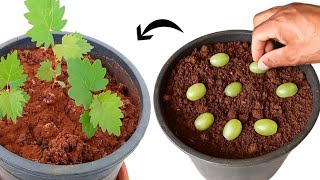
- Digging the Hole: Dig a hole wide and deep enough to accommodate the root system of the grapevine, typically 12-18 inches deep and 12 inches wide.
- Planting Depth: Place the vine in the hole, spreading out the roots. The crown of the plant should be at ground level. Backfill with soil and gently firm it around the roots.
4. Watering and Mulching
Initial Watering
- Water Thoroughly: Water the newly planted vine thoroughly to settle the soil and eliminate air pockets.
Mulching
- Apply Mulch: Spread a layer of mulch around the base of the vine to retain moisture, regulate soil temperature, and suppress weeds.
5. Supporting the Vine
Install a Trellis
- Support System: Grapevines need support for optimal growth and fruit production. Install a trellis or arbor to provide a structure for the vine to climb.
- Training: Train the vine by tying young shoots to the trellis, ensuring they grow in the desired direction.
6. Ongoing Care and Maintenance
Watering Schedule
- Regular Watering: Keep the soil consistently moist, especially during the first year. Reduce watering once the vine is established.
- Avoid Overwatering: Ensure the soil is not waterlogged to prevent root rot.
Fertilizing
- Balanced Fertilizer: Apply a balanced fertilizer in early spring and mid-summer to support healthy growth. Avoid over-fertilizing, which can lead to excessive foliage and poor fruit production.
7. Pruning
First Year
- Initial Pruning: In the first year, focus on establishing a strong framework. Prune to encourage the growth of a few main stems.
Annual Pruning
- Regular Pruning: Prune annually during the dormant season (late winter) to remove old wood and encourage new growth. Proper pruning increases fruit yield and quality.
Conclusion
By following these steps, you can quickly and effectively plant a grapevine and set it up for successful growth and abundant fruit production. Choosing the right variety, preparing the planting site, providing adequate support, and maintaining proper care will ensure your grapevine thrives. Happy planting!
Show Comments