If your plants are struggling, they will certainly let you know. Here’s when to feed your seedlings with iodine and why it’s beneficial.
Signs Your Seedlings Need Iodine
Look for these indicators that your seedlings may require iodine:
- Pale Leaves: This can signal nutrient deficiency.
- Stretched Stems: Indicates weak growth and insufficient light.
- Sickness and Wilting: If your seedlings appear unhealthy, it’s time to act.
If these signs are present, it’s crucial to intervene; otherwise, your seedlings—especially peppers, tomatoes, cabbage, cucumbers, and strawberries—may not survive.
Benefits of Iodine for Seedlings
Feeding seedlings with iodine promotes:
- Stronger Growth: Encourages robust development and early flowering.
- Disease Resistance: Protects against fungal diseases and pests.
- Protection from Late Blight and Rot: Helps prevent common issues.
- Enhanced Immunity: Strengthens the plant’s defenses.
- Improved Fruit Quality and Quantity: Leads to better harvests.
- Reduction of Yellowing: Stops seedlings from becoming weak and leggy.
How to Apply Iodine
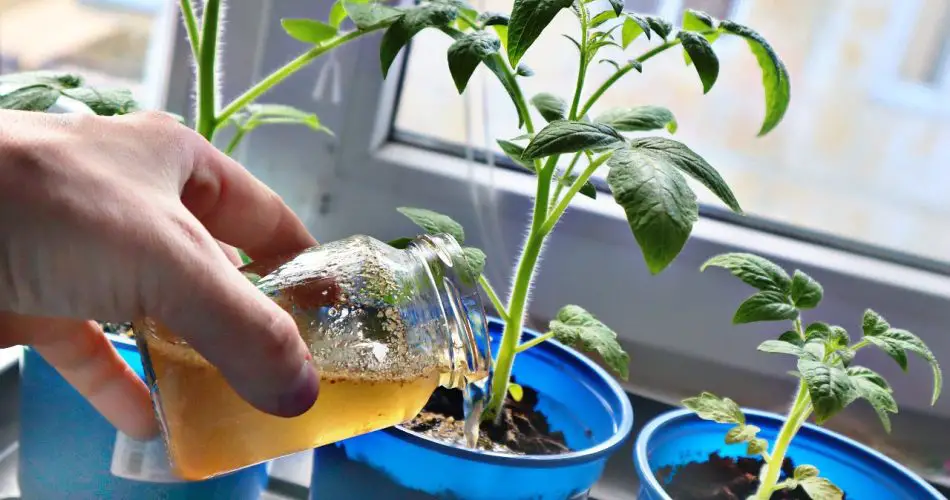
Soil Application
To apply iodine to the soil:
- Dissolve three drops of iodine in a bucket of water.
- Apply this mixture when the first leaves appear to disinfect the soil.
Foliar Spray
To protect against diseases and pests:
- Dissolve 1 drop of iodine in 3000 ml of water.
- Spray the seedlings thoroughly.
By incorporating iodine into your seedling care routine, you’ll promote healthier plants and a more fruitful garden!
Show Comments