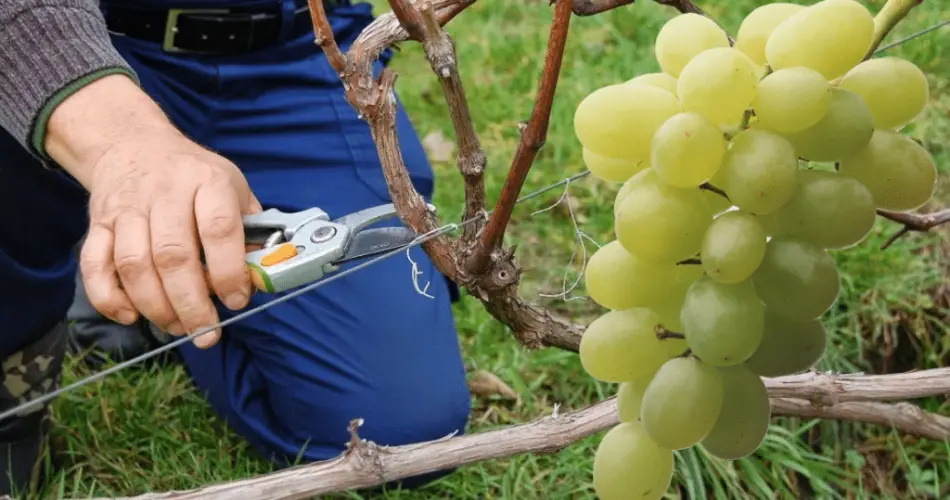
The spring season is crucial for pruning grapes, as it plays a vital role in ensuring their health and maximizing harvests. This essential procedure supports the proper development of the vine and helps maintain its productivity throughout the growing season.
The best time for spring pruning is typically in March when temperatures consistently rise to +5°C and above. Many gardeners suggest pruning during the waning moon, believing it can help slow down shoot growth.
Before you begin pruning, take the time to inspect the vine carefully. Remove all damaged, diseased, and dry branches—this step is known as sanitary pruning. Following this, you can proceed with either formative or rejuvenating pruning, depending on the age and variety of the grapes.
Keep in mind that for young vines (up to 3 years), light pruning is recommended to shape the bush, while for mature vines, more extensive pruning should be employed to manage the number of shoots and encourage healthy growth.
Having the right tools is essential during the pruning process. Ensure you have sharp secateurs, a knife, and a saw for cutting branches. Make cuts at an acute angle and treat them with a garden sealant to prevent infections.
Don’t hesitate to experiment with different pruning techniques to discover what works best for your specific grape variety and local climate. Approach the task with care and attention, as proper pruning is the key to ensuring your grapes remain healthy and yield an abundance of sweet, juicy berries.