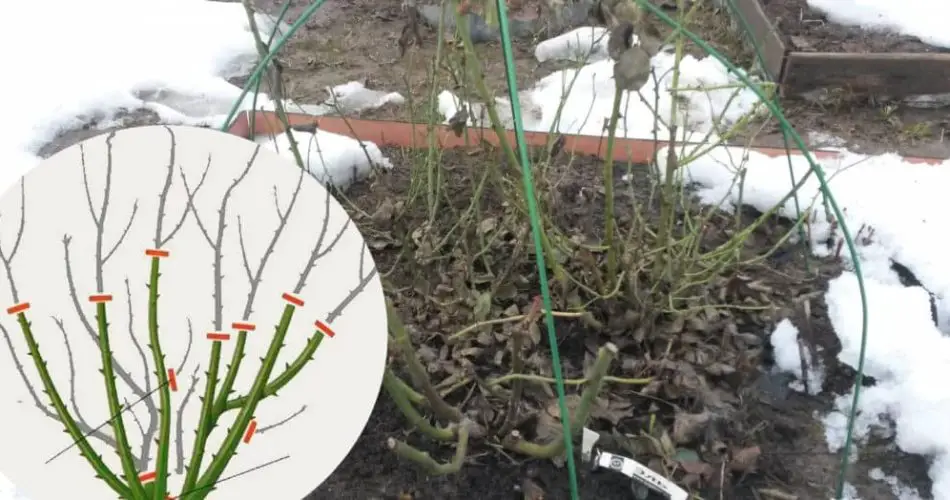
Winter is a crucial time for pruning roses, a key stage in ensuring that your rose bushes remain healthy and vigorous. Effective pruning not only prepares your roses for a spectacular blooming season but also enhances their overall strength and vitality. Here’s expert advice on how to properly prune your roses in winter, ensuring they’re ready to thrive in the new season.
Essential Pruning Techniques for Winter
- Remove Dry, Diseased, and Damaged Stems:
- Cut away any dead or diseased branches to prevent the spread of disease and encourage new, healthy growth.
- Inspect the plant carefully for any damage from pests or weather conditions and remove these affected parts.
- Clear the Center of the Bush:
- Open Up the center of the bush by removing any crossing branches. This improves air circulation and reduces the risk of fungal infections.
- Create Space: Ensure that branches are not rubbing against each other, which can lead to damage and reduce flowering potential.
- Cut Small Stems at an Angle:
- Prune small stems carefully, making angled cuts to promote optimal growth and prevent disease entry.
- Prune Old vs. Young Rose Bushes:
- Old Rose Bushes: Reduce their size by about one-third to rejuvenate the plant and promote new growth.
- Young Plants: Perform light pruning, maintaining their optimal height to encourage strong development and future flowering.
Post-Pruning Care
- Fertilize:
- After pruning, feed your roses with a fertilizer rich in potassium and magnesium. This supports growth and flower development in the coming season.
- Mulch:
- Apply mulch around the base of the plants using manure, compost, or shredded bark. Mulching helps to insulate the roots, retain soil moisture, and improve overall soil health.
- Protect Your Hands:
- Use gardening gloves to protect your hands from thorny stems and to ensure a safer pruning experience.
Additional Tips from Experienced Gardeners
- Timing: Prune during a dry, mild day in winter to avoid stress on the plants.
- Tools: Use sharp, clean pruning shears to make precise cuts and reduce the risk of infection.
- Sanitation: Clean your pruning tools after each use to prevent spreading diseases between plants.
Conclusion
Winter pruning is essential for the health and vitality of your rose bushes. By following these expert tips—removing dead and diseased stems, clearing the center of the bush, and properly pruning old and young plants—you set the stage for a flourishing blooming season. Complement your pruning efforts with appropriate fertilization and mulching to provide your roses with the best conditions to thrive. With these techniques, your roses will be well-prepared to burst into beautiful blooms as the new season begins.