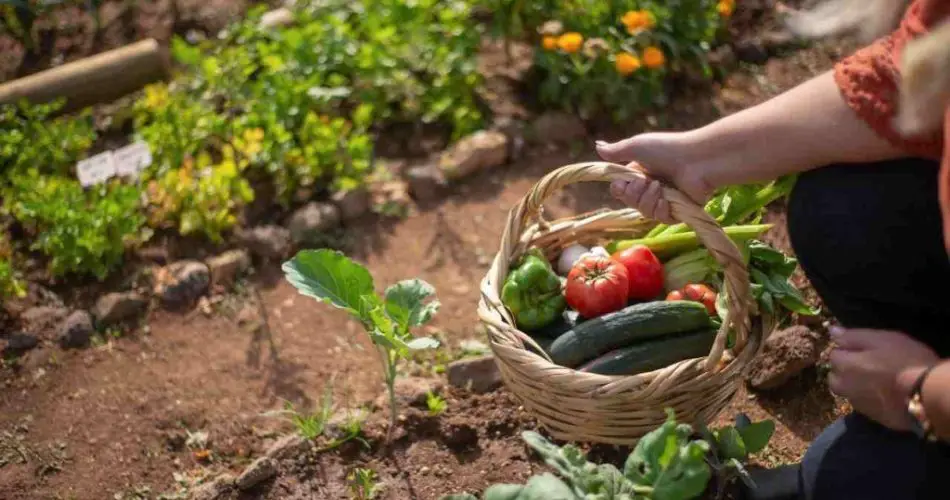
Gardening is a relaxing and rewarding activity that benefits both the mind and body. Many people, especially with the arrival of spring, dedicate themselves to cultivating their own vegetable gardens or balcony plants to enjoy fresh, seasonal produce. However, not all plants growing in your garden are safe. Some can pose serious health risks, and it’s essential to identify and remove them as soon as possible.
Wild Lettuce: The Dangerous Impostor in Your Garden
One such plant to watch out for is wild lettuce (Lactuca virosa), which is often mistaken for edible lettuce. This dangerous plant can grow alongside your crops and, if ingested, can cause toxic effects on the body.
Wild lettuce is native to various regions and thrives in sunny spots, such as riverbanks and roadsides. It can grow up to 1.8 meters tall and features bright green leaves sprouting from a green stem that may be tinged with purple. The plant produces a white, milky sap, known as lactucarium, which when dried resembles opium.
Why Wild Lettuce Is Harmful
Although wild lettuce was historically used as a natural pain reliever and sedative for ailments like whooping cough and insomnia, it carries significant risks. Its milky sap contains compounds that can mimic the effects of opium, making it toxic if consumed.
Even today, some products use extracts from wild lettuce’s seeds, leaves, and sap, but its potential dangers far outweigh any benefits. If you spot this plant in your garden, it is critical to act immediately.
How to Identify and Remove Wild Lettuce
To protect yourself and your garden, follow these steps:
- Inspect Your Garden Regularly: Pay close attention to plants growing near your crops. Look for tall plants with bright green leaves and purple-tinted stems.
- Act Quickly: As soon as you identify wild lettuce, remove it by the roots to prevent it from spreading.
- Dispose of It Safely: Do not compost wild lettuce, as its seeds can survive and sprout again. Instead, discard it with your household waste.
By staying vigilant and promptly removing wild lettuce, you can ensure the safety of your garden and protect yourself from its harmful effects. Gardening should bring joy and health, not hidden dangers—so keep your garden thriving and safe!