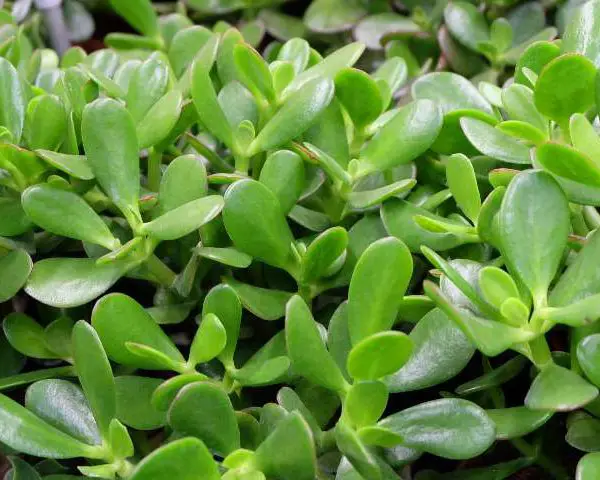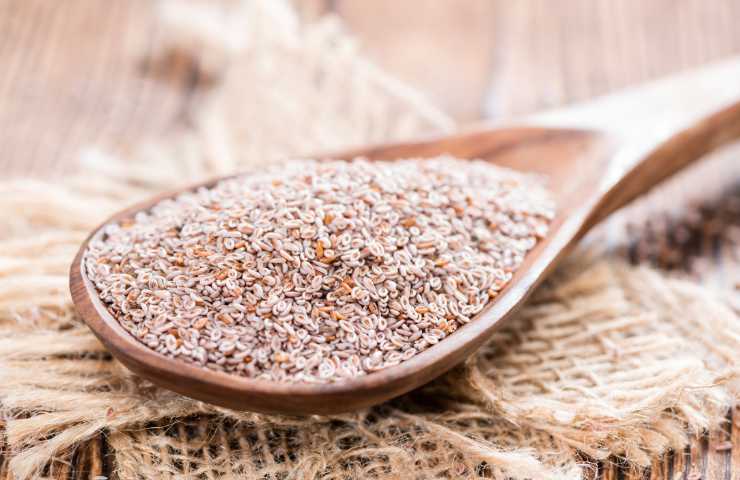
Psyllium is a powerful medicinal plant known for its numerous health benefits. Originating from the Mediterranean basin, Southern Europe, North Africa, and the Middle East, this plant has been used for centuries in natural medicine. Also known as Plantago, its Ovata variant is commonly found in Southern Asia.
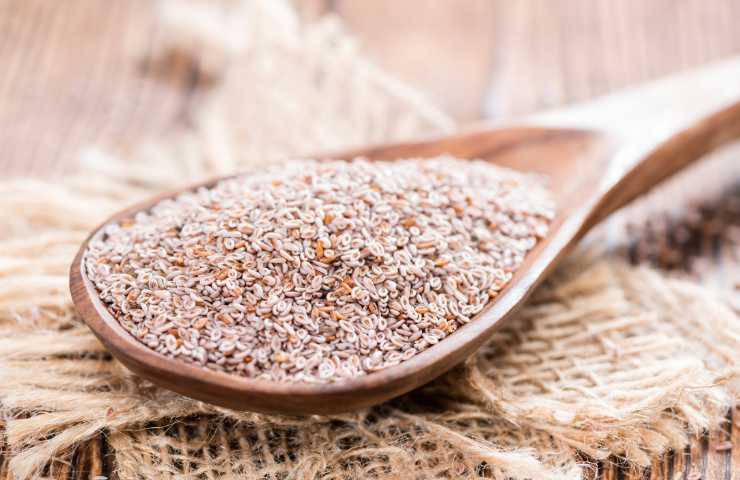
The seeds of Psyllium are rich in fiber and are widely used in herbal teas, dietary supplements, and even as a thickener for ice cream. Psyllium is particularly effective in soothing digestive issues such as diarrhea and constipation, but its benefits extend far beyond digestion.
The Health Benefits of Psyllium 🌱
1. Supports Digestive Health
Psyllium is a natural remedy for both constipation and diarrhea, as it helps regulate bowel movements by absorbing water and forming a gel-like substance in the intestines. It is also beneficial for people suffering from irritable bowel syndrome (IBS).
2. Lowers Cholesterol and Blood Sugar Levels
🩸 Reduces Cholesterol: Psyllium has been shown to lower bad cholesterol (LDL) while maintaining healthy levels of good cholesterol (HDL).
💉 Regulates Blood Sugar: Taking Psyllium before main meals can help stabilize blood sugar levels, making it particularly beneficial for individuals with type 2 diabetes.
3. Supports Heart Health ❤️
By lowering cholesterol and blood pressure, Psyllium helps reduce the risk of heart disease, making it an excellent supplement for overall cardiovascular health.
How to Take Psyllium & When to Use It
✅ Psyllium can be consumed in various forms, including:
- Powder (mixed with water, smoothies, or yogurt)
- Capsules or tablets
- Herbal teas
📌 Best Time to Take It:
- Before meals to improve digestion and regulate blood sugar levels
- With plenty of water to prevent bloating or gas
Possible Side Effects and Contraindications ⚠️
While Psyllium offers numerous benefits, it is important to take it with caution:
🚨 Common Side Effects:
- Intestinal gas and bloating due to high fiber content
- Possible allergic reactions after prolonged use
🚫 Who Should Avoid Psyllium?
- People with intestinal obstruction or intestinal atony (weak colon muscles)
- Individuals with phenylketonuria (PKU)
- Those with difficulty swallowing
- Patients taking certain medications, as Psyllium’s high fiber content may interfere with drug absorption
Psyllium is generally safe for children over six years old and pregnant women, but it is always advisable to consult a doctor before use.
Final Thoughts
With its amazing health benefits, Psyllium is a powerful natural remedy that can improve digestion, heart health, and blood sugar levels. However, it must be taken responsibly, with proper hydration and under medical supervision if needed.
Would you consider adding Psyllium to your diet? 🌿💚