- Controlled Growth: Pruning helps manage the size of the tree and promotes a more compact shape.
- Stimulated Flowering: By removing certain branches, pruning encourages the growth of new shoots, leading to abundant flowering, especially during the spring season.
- Pest Prevention: Regular pruning can help prevent the occurrence of insect pests by removing diseased or damaged branches.
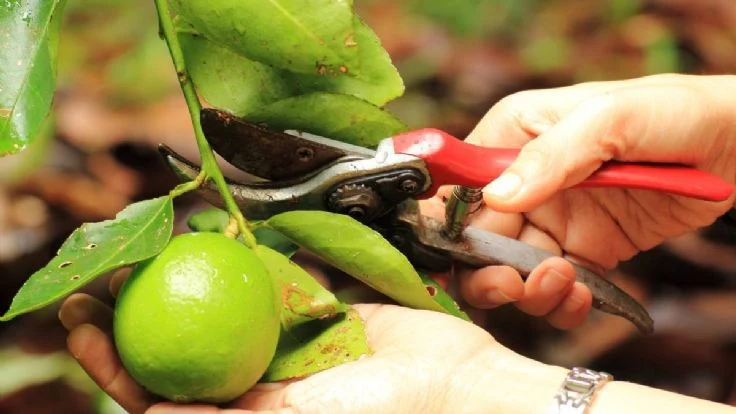
- Choose the Right Tools: Use sharp gardening scissors or pruning shears that have been sanitized to prevent the spread of diseases.
- Identify Branches for Removal: Look for long, overgrown branches or those that are growing in undesirable directions. Additionally, remove any dry or diseased branches to promote overall tree health.
- Make Clean Cuts: Trim the selected branches with clean, precise cuts. Avoid cutting branches that have new fruits growing on them.
- Prune Strategically: To encourage lateral bud growth and compact branching, trim branches back by about five centimeters from the tip, directing growth in the desired direction.
- Regular Maintenance: Aim to prune your lemon or citrus tree at least every six months, particularly during the spring season when growth is most active.
Show Comments