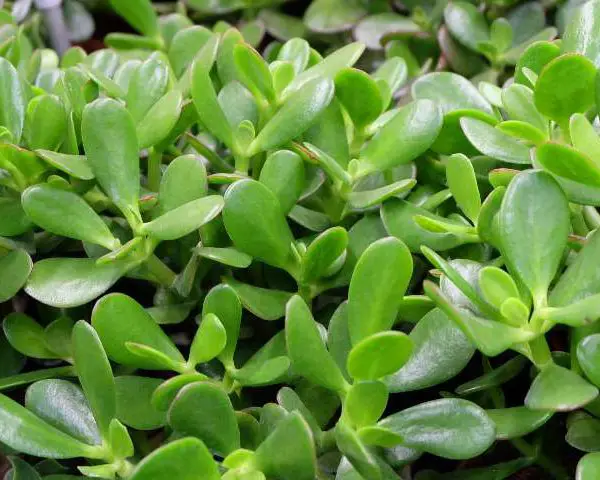
- Leaf Selection: Choose healthy leaves from a mature Adenium Obesum plant. Opt for leaves that are firm, plump, and free from damage or disease. Ideally, select leaves from the lower part of the plant.
- Leaf Preparation: Carefully remove selected leaves from the plant using sharp, sterilized scissors or a knife. Ensure each leaf is intact with its petiole (leaf stem) attached.
- Callusing: Place the cut leaves in a shaded, dry location for 3-7 days to allow the cut ends to callus. This reduces the risk of rot when planting.
- Potting Medium: Prepare a well-draining potting mix suitable for succulents or cacti. A mix containing perlite or sand promotes good drainage, essential for healthy root development.
- Planting the Leaves: Insert the callused end of each leaf into the potting mix, burying the base of the leaf about 1-2 inches deep. Ensure the potting mix makes good contact with the leaf to support rooting.
- Provide Care: Place the potted leaves in a warm, bright location with indirect sunlight. Water lightly to keep the potting mix slightly moist, avoiding waterlogging.
- Root Development: Over the next several weeks, monitor the leaves for signs of root growth. New shoots may also emerge from the base of the leaf, indicating successful propagation.
- Resource Efficiency: Utilize existing plant material to propagate new plants, reducing the need for seeds or stem cuttings.
- Genetic Preservation: Preserve the desirable traits and characteristics of the parent plant in propagated offspring.
- Educational Experience: Explore a novel propagation method that enhances your gardening knowledge and skills.
Show Comments