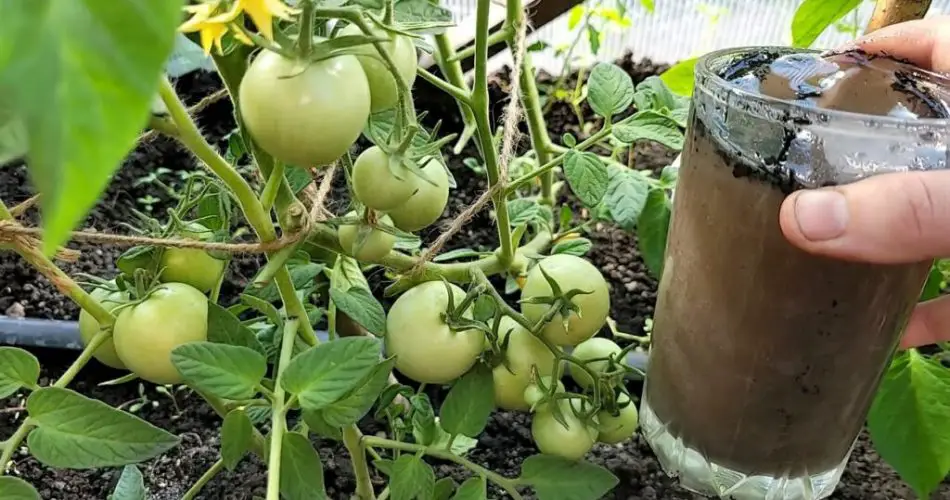
Every gardener aims for a rich harvest of tomatoes—plump, juicy, and full of flavor. Achieving such fruits requires not only careful seedling care but also knowing how to nourish tomatoes after planting them in the open ground.
The Importance of the First Feeding
It’s crucial not to rush into feeding. Allow the plants time to acclimate (typically about 10 days after planting). Once the tomatoes have rooted and new leaves and side shoots have emerged, it’s time to start fertilizing. This initial feeding will bolster their vigor for robust growth and development.
What to Feed:
- Nitrogen-Rich Complex Fertilizers: These are ideal if plants show signs of thin stems, small leaves, or chlorosis (yellowing).
- Calcium Nitrate (10-20 g per 10 liters of water): Helps prevent blossom end rot, which can stem from calcium deficiency or excessive potassium.
Feeding for Sweet Fruits
For exceptionally sweet tomatoes, additional feeding during fruit setting is recommended.
Recipe for Sweet Tomatoes:
- 5 liters of water
- 10 g of pressed yeast
- 0.5 cups of sugar
- 50 ml of “Haystick” preparation
Dissolve yeast in water, add sugar, and mix well. Let stand briefly and spray the tomatoes with this mixture. Repeat feeding every two weeks.
Best Time for Feeding
It’s best to feed tomatoes in the morning on a sunny day to optimize nutrient absorption.
Results of Proper Nutrition
Proper feeding ensures not just a plentiful tomato harvest but also fruits that impress with their size, juiciness, and outstanding sweetness.
Key Tips:
- Follow Feeding Schedule: Stick to a consistent feeding schedule.
- Monitor Plant Health: Tailor nutrients based on the plants’ needs.
- Avoid Overfeeding: Too much fertilizer can harm the crop.
- Choose Quality Fertilizers: Opt for reliable and effective fertilizers.
By adhering to these straightforward guidelines, you’ll cultivate tomatoes that are not only abundant but also a highlight of your garden. Happy growing!