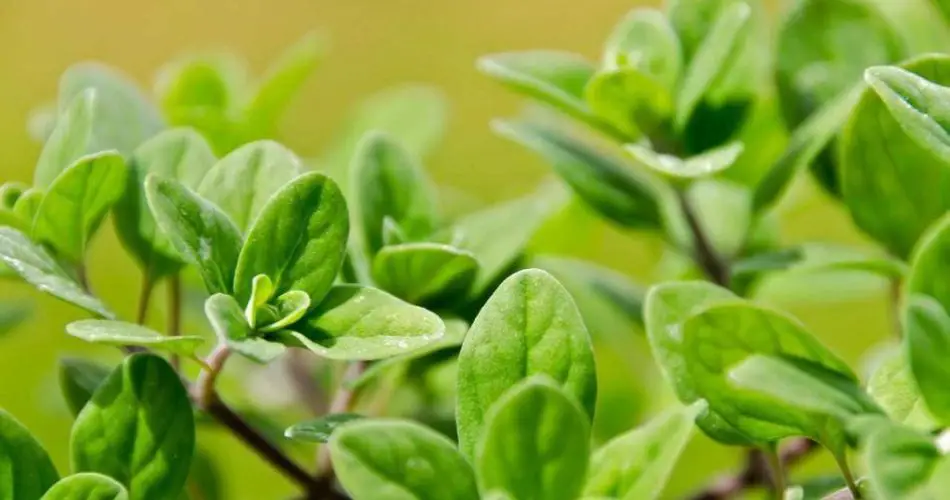
Marjoram, a versatile and fragrant aromatic herb, has been celebrated for thousands of years for its flavor and remarkable health benefits. Whether used fresh or dried, this member of the mint family is a must-have in your kitchen and garden. Here’s everything you need to know about its extraordinary properties and how to grow it at home.
What Is Marjoram?
Native to the Mediterranean, North Africa, and Western Asia, marjoram is a close relative of oregano but offers a milder and sweeter flavor. Commonly used in salads, soups, and meat dishes, it’s a versatile ingredient that elevates your culinary creations. While it shines as a garnish, marjoram’s real power lies in its anti-inflammatory and antimicrobial properties, making it a natural remedy for a variety of health issues.
Marjoram’s Health Properties and Benefits
1. Rich in Antioxidants
Marjoram is packed with antioxidants, compounds that protect your cells from damage caused by free radicals. These antioxidants also help to reduce inflammation, lowering the risk of chronic conditions like diabetes, cancer, and autoimmune disorders.
2. Anti-Inflammatory Effects
While inflammation is a natural bodily response, chronic inflammation can lead to serious health problems. Marjoram’s anti-inflammatory properties can help soothe the body and promote overall wellness.
3. Antimicrobial Power
Marjoram is known for its antimicrobial effects, making it useful for addressing bacterial imbalances in the gut and protecting against food-borne illnesses.
4. Digestive Relief
Historically, marjoram has been used to treat digestive issues like stomach ulcers and discomfort caused by poor digestion. A cup of marjoram tea or a supplement can offer soothing relief.
How to Use Marjoram
You can incorporate marjoram into your routine in several ways:
- Fresh or dried leaves can be brewed into a comforting tea.
- Extracts are available at health food stores for concentrated benefits.
- Use it as a seasoning in your favorite recipes for both flavor and health perks.
Growing Marjoram at Home
The good news is, marjoram is easy to grow, even if you don’t have a green thumb! Here’s how you can cultivate it at home:
- Choose the right soil: Use well-drained soil rich in nutrients, with a pH level between 6.0 and 7.5.
- Pots or garden beds: Marjoram grows well in containers or directly in your garden.
- Hydration is key: Keep the soil moist but not waterlogged.
- Low maintenance: Marjoram requires very little care, making it perfect for beginners.
With a few simple steps, you can enjoy fresh marjoram leaves year-round to use in your kitchen or for health remedies.
Conclusion
Marjoram is more than just an aromatic herb—it’s a natural powerhouse with antioxidant, anti-inflammatory, and antimicrobial benefits. Easy to grow and incredibly versatile, it’s an excellent addition to your diet and home garden.
Will you start incorporating this extraordinary herb into your life? Whether as a culinary ingredient or a natural remedy, marjoram is sure to bring flavor and wellness to your home.