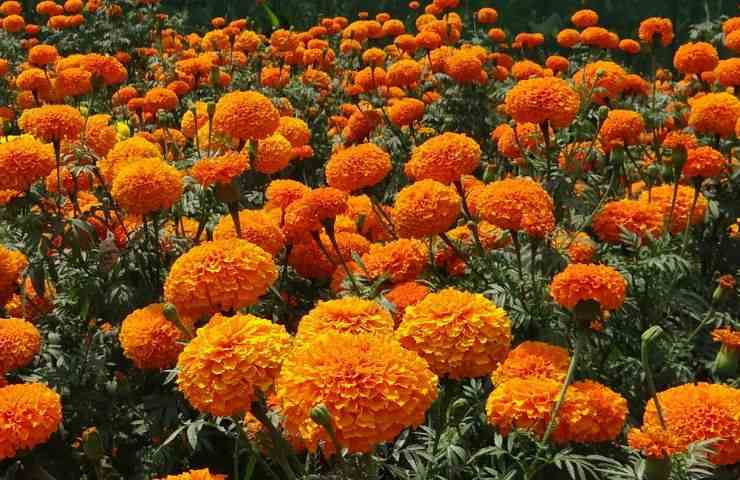
Many people confuse marigolds (Calendula Officinalis) with tagetes (also known as Indian carnations). While they may share similar colors and botanical origins, these two flowers are distinct in several ways, from their appearance to their aroma and care requirements.
Let’s explore the key differences between these plants and learn how to properly care for marigolds!
🌸 Marigolds vs. Tagetes: Key Differences
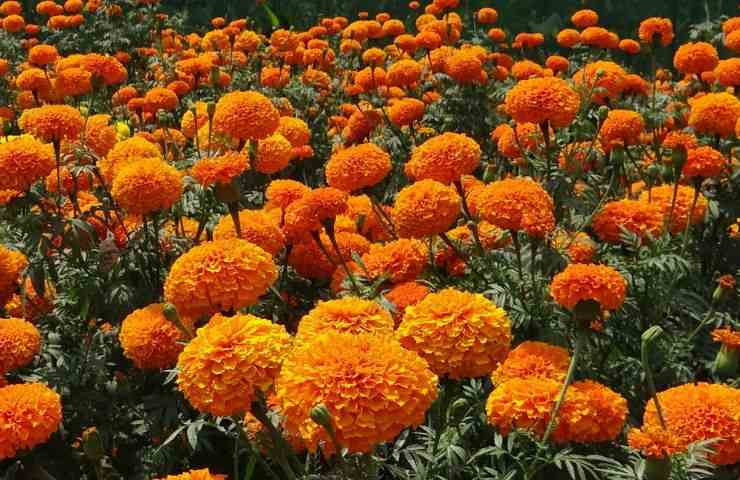
Though both belong to the Compositae (daisy) family, marigolds and tagetes have unique physical characteristics:
✔ Petals & Leaves:
- Marigolds have shorter, compact petals and thin leaves.
- Tagetes have longer petals with rounder, broader leaves.
✔ Fragrance:
- Marigolds emit a strong, pungent scent, which is why they are often used as natural pest repellents against rabbits and deer.
- Tagetes have a lighter, floral aroma, making them a favorite in ornamental gardening.
✔ Coloration:
- Both plants share vibrant hues of orange, red, and yellow, which often leads to confusion.
🌞 How to Care for Marigolds
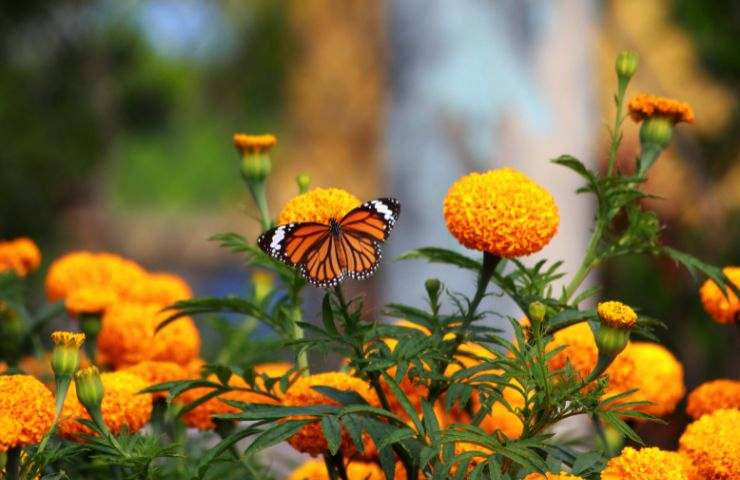
Marigolds are low-maintenance flowers, making them perfect for both gardens and pots. Here’s how to keep them healthy and blooming:
☀️ Light Requirements
✔ Full sunlight is essential! Place marigolds in an area where they receive direct sunlight throughout the day.
✔ If kept in the shade for too long, they may develop powdery mildew, a fungal disease that appears as white mold on leaves.
💧 Watering Tips
✔ Always water at the base—never from above! Watering from the top can encourage fungal growth, leading to issues like powdery mildew.
✔ Avoid overwatering; marigolds prefer well-drained soil.
🌿 Growth & Maintenance
✔ These are annual flowers that grow quickly and thrive in both gardens and pots.
✔ Regular deadheading (removing wilted flowers) helps encourage continuous blooming.
By understanding the differences between marigolds and tagetes, you can choose the right flower for your garden and ensure proper care for healthy, vibrant blooms! 🌼✨