As spring approaches, pruning plants, flowers, trees, and bushes becomes a crucial task for enhancing their growth and flowering. While April is often the ideal time for many plants, some require special attention in March. Here’s a guide to five plants that benefit from early spring pruning to ensure their optimal appearance and health.
1. Wisteria
- Pruning Period: Wisteria should be pruned in February and March. If missed, the next opportunity is in July and August.
- Pruning Technique: Focus on young shoots, leaving two buds on each. This helps maintain the plant’s structure and encourages vigorous flowering.
2. Roses
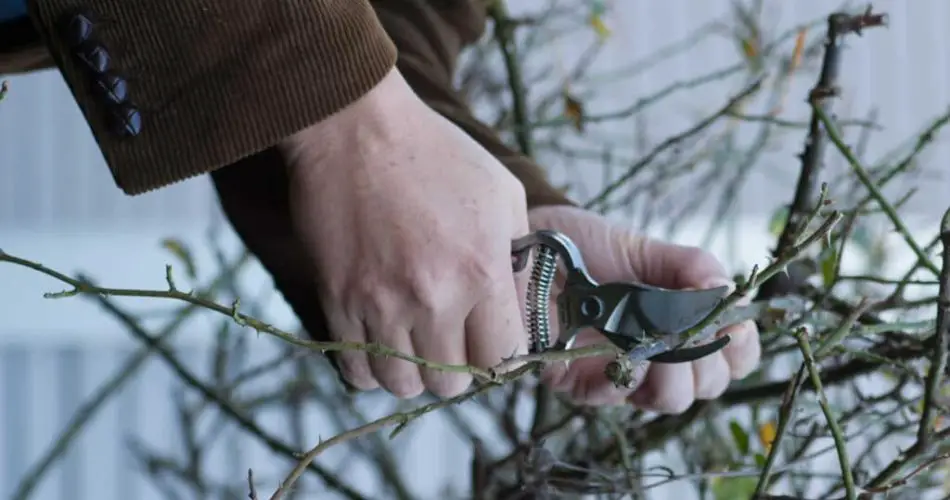
- Best Time to Prune: March is ideal for pruning roses. Once the frost has subsided and the weather warms up, start the pruning process.
- Pruning Tips: Don’t hesitate to cut more than you think necessary, as this will stimulate new shoot growth and lead to more abundant blooms.
3. Hydrangea
- Pruning Timing: To ensure your hydrangea blooms beautifully throughout the summer, it needs pruning in March.
- Pruning Process: Cut back all the stems of the plant. This promotes healthy growth and robust flowering.
4. Clematis
- Pruning Method: In March, remove last year’s growth by cutting the plant 25-30 centimeters above ground level.
- Benefits: This procedure stimulates intensive growth and abundant flowering, preparing the plant for a spectacular display.
5. Fruit Trees
- Ideal Timing: Prune pear and apple trees while they are still dormant in March.
- Pruning Goals: Ensure the tree’s crown is cup-shaped and prune to allow uniform illumination of all parts. This promotes healthy growth and fruit production.
Conclusion
Pruning in March is an essential procedure to prepare plants for vigorous growth and flowering in the upcoming months. By following these guidelines for Wisteria, roses, hydrangeas, Clematis, and fruit trees, you’ll ensure that your garden thrives with beautiful and healthy plants throughout the growing season.
Show Comments