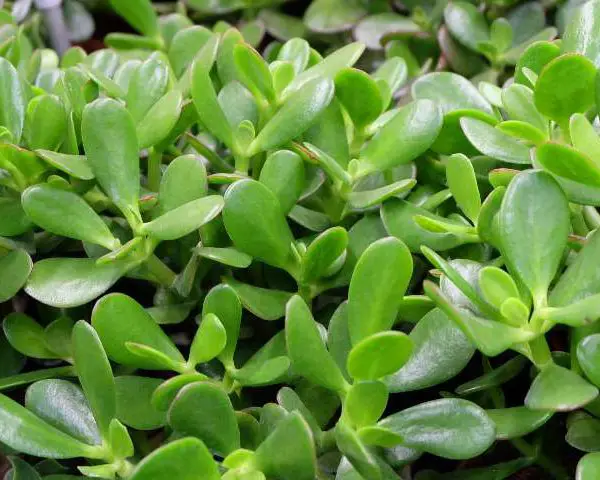
In the realm of plant propagation, the method of making leaves root offers a fascinating journey into the world of botanical reproduction. This technique, particularly effective for the Garden Croton plant (Codiaeum variegatum), provides an accessible and rewarding way to expand your plant collection and share the beauty of vibrant foliage with others.
The Allure of Garden Croton Plants
Garden Croton plants, prized for their colorful and intricately patterned leaves, are a striking addition to any indoor or outdoor space. With their array of hues ranging from fiery reds to sunny yellows and rich greens, Garden Crotons captivate with their kaleidoscopic foliage.
Propagating Garden Croton Plants with Leaves: A Step-by-Step Guide
- Selecting Healthy Leaves: Choose mature and healthy leaves from the Garden Croton plant for propagation. Look for leaves that are free from damage or disease and have a vibrant coloration and firm texture.
- Preparing the Leaves: Using clean and sharp scissors or pruning shears, carefully remove the selected leaves from the Garden Croton plant, ensuring each leaf is intact with its stem attached. Make clean cuts to minimize damage to the plant tissue.
- Creating Cuttings: Trim the stems of the Garden Croton leaves to create cuttings approximately 4-6 inches in length. Remove any excess foliage from the lower portion of the stem to expose the nodes, which are the points where roots will emerge.
- Placing in Water or Potting Mix: Dip the cut end of each Garden Croton leaf cutting into rooting hormone powder to encourage root development. Plant the cuttings in a container filled with water or well-draining potting mix, ensuring the nodes are submerged or in contact with the growing medium.
- Providing Optimal Conditions: Place the container with the Garden Croton leaf cuttings in a warm and brightly lit location with indirect sunlight. Maintain consistent moisture levels in the growing medium, ensuring it remains moist but not waterlogged.
- Root Development: Over the course of several weeks, monitor the Garden Croton leaf cuttings for signs of root development. New roots will emerge from the nodes and grow into the surrounding growing medium, anchoring the cuttings and supporting their growth.
- Transplanting: Once the Garden Croton leaf cuttings have developed a healthy root system, transplant them into individual pots filled with well-draining potting mix. Continue to provide care and maintenance, gradually acclimating the new plants to their growing environment.
Conclusion: Harnessing Leaf Power
Propagating Garden Croton plants with leaves offers an accessible and rewarding method for expanding your plant collection and sharing the beauty of vibrant foliage. By following these simple steps, gardeners can unlock the potential of leaf cuttings and cultivate healthy and thriving plants that bring joy and color to any space. So, why not embark on this botanical adventure and experience the magic of leaf power with Garden Crotons?